
 Hot Topic
How To Apply For Affordable Housing Assistance For Senior Citizens And People With Disabilities

Ready to find stable, affordable housing that fits your accessibility and financial needs? In this guide, you'll discover the clear, step-by-step process to apply for relevant housing assistance programs. You'll walk away knowing exactly what forms to gather, who to contact, and how to move through the application process smoothly.
Why should you care about following a structured application process for this support? Affordable, accessible housing can drastically improve your quality of life, reduce financial stress, and give you access to needed accommodations. But it's important to understand the requirements and steps ahead to avoid common delays that could slow down your approval.
Why Learning to Apply for Affordable Housing Assistance Is Worth Your Time
- Low-barrier access to support: Most programs are designed specifically for older adults and people with disabilities, so eligibility rules are tailored to your unique needs and circumstances.
- Reduced long-term financial stress: Approved applicants often pay no more than 30% of their income on housing, freeing up funds for medical care, groceries, and other essential needs.
- Accessibility accommodation options: Many participating properties are built or modified to support mobility, sensory, or other disability-related needs, so you don’t have to arrange costly upgrades on your own.
- Ongoing support after move-in: Most programs include case management or maintenance support, so you can get help quickly if you face issues with your housing down the line.
Step-by-Step Guide to Applying for Affordable Housing Assistance
Step 1: Confirm your eligibility for local programs
First, check the basic requirements for state, county, and city housing assistance programs in your area. Most require you to be 62 or older, have a documented disability, and fall below a specific income threshold set for your region. You can find these requirements on your local housing authority website or by calling their office directly.
Common mistake to avoid: Don’t skip checking smaller local non-profit programs, as they often have less competitive waitlists than federal HUD programs.
Step 2: Gather all required supporting documentation
Collect official documents that prove your age, disability status, income, residency, and identity. This usually includes a state ID, birth certificate, Social Security benefit statements, pay stubs (if applicable), disability award letters, and proof of current address. Make digital and physical copies of each document to avoid losing them during the application process.
Pro tip: If you don’t have access to a printer, many local libraries or senior centers offer free printing services for these types of forms.
Step 3: Fill out your initial application through the correct channel
You can usually submit applications online via your local housing authority portal, by mail, or in person at a local housing office. Take your time to fill out every section clearly, and ask a trusted family member, social worker, or senior center volunteer to review it for errors before you submit. Double-check that you include all requested supporting documents with your submission.
Common mistake to avoid: Leaving blank sections on the application can lead to automatic delays or rejection, so write "N/A" if a question does not apply to your situation.
Step 4: Complete the accessibility needs assessment (if required)
Most programs will ask you to fill out a separate form listing your specific accessibility needs, such as ground-floor access, grab bars, wide doorways for wheelchairs, or visual alert systems. Be as specific as possible about your needs, and include supporting documentation from your doctor if requested. This helps the program match you with a property that fits your physical requirements.
Pro tip: If you need help explaining your accessibility needs, ask your healthcare provider to write a short letter outlining your required accommodations to include with your application.
Step 5: Attend your scheduled eligibility interview
After reviewing your application, the housing authority will contact you to schedule an interview, which may be held in person, over the phone, or via video call. Use this time to clarify any details about your application, explain your housing needs clearly, and ask any questions you have about wait times or program rules. Bring copies of all your supporting documents to the interview, even if you already submitted them.
Step 6: Follow up on your application status regularly
Wait times for affordable housing can vary from a few months to several years, depending on your area and demand. Call or email your housing authority contact every 3 to 6 months to confirm your application is still active, and update them immediately if your income, address, or accessibility needs change. This helps you avoid being removed from the waitlist accidentally.
Challenges to Be Aware Of
- Long waitlists in high-demand areas: Many regions have more applicants than available affordable housing units, so wait times can stretch for multiple years. You can mitigate this by applying to multiple programs at once, including smaller non-profit run housing options, to increase your chances of getting an offer faster.
- Complex documentation requirements: Some applicants struggle to gather all required documents, especially if they do not have easy access to digital tools or official records. Reach out to a local senior center, disability advocacy group, or social worker for free help locating and collecting the paperwork you need.
- Eligibility rule changes between regions: Program rules can vary significantly between cities and states, so information that applies to a family member in another area may not apply to you. Always confirm requirements directly with your local housing authority to avoid wasting time on applications you don’t qualify for.
Conclusion
You now have the foundation to start applying for affordable housing assistance as a senior or person with a disability. You know what documents you need, what steps to follow, and how to avoid common mistakes that slow down applications.
This process offers you the chance to secure stable, accessible housing that fits your budget and unique needs. By following these steps, you're positioning yourself to access the support you deserve to live comfortably and safely.
Don't wait for the perfect moment. Start looking up your local housing authority's eligibility requirements today. Every small step you take moves you closer to finding the housing that works for you.
FAQ
How long does the full application and approval process usually take?
Wait times vary widely based on your location and the demand for housing in your area. In smaller towns, you may get an offer in 3 to 6 months, while in large cities, waitlists can stretch for 2 to 5 years. You can reduce your wait time by applying to multiple programs at the same time. Check in with your housing authority every few months to stay updated on your position on the waitlist.
Do I need to have a regular income to qualify for these assistance programs?
No, you do not need a formal job to qualify. Most programs accept Social Security benefits, disability benefits, retirement income, or other regular forms of support as valid income. You will just need to provide official documentation of all income you receive each month. If you have no regular income, ask your local housing authority about specialized programs for low or no-income applicants.
What's the best way to get help filling out my application if I have trouble with forms?
Many local organizations offer free application support for seniors and people with disabilities. You can reach out to your local senior center, disability advocacy group, or Area Agency on Aging to request a free appointment with a support worker. These professionals can help you fill out forms, gather documents, and submit your application correctly. Don’t hesitate to ask for help to avoid mistakes that could delay your application.
Can I apply for housing assistance if I currently live with family or in a temporary shelter?
Yes, you are still eligible to apply even if you do not have permanent housing right now. You will just need to provide a valid mailing address where you can receive updates about your application, which can be a family member's address, a shelter address, or a PO box. Be sure to update your housing authority if your contact information changes while you are on the waitlist. You can prioritize your application in many areas if you are currently experiencing homelessness, so mention that in your interview.


RECOMMEND ARTICLES

What’s Your Fatal Flaw: The Personality Trait That Could Be Your Downfall!

How To Create Your Unique Avatar: A Practical Guide For Players
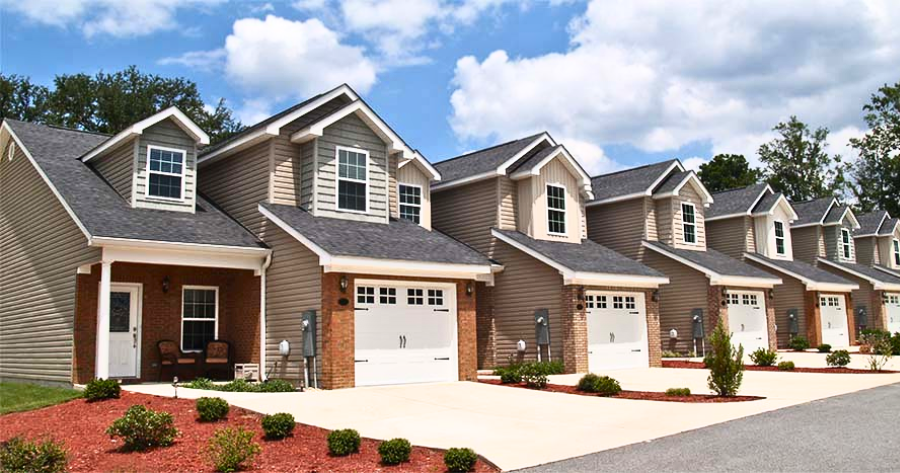
Comprehensive Handbook On Residential Support For Seniors And Individuals With Disabilities

How To Explore Future Face Travel In Time: A Complete Beginner Guide

How To Unlock And Maximize Brookhaven FREE Premium Room: A Complete Guide

How To Claim And Use 99 Nights In The Forest Free Items

How To Master Steal A Brainrot Theft Techniques: A Step-by-Step Guide For Players

How To Play Fortnite On Your Phone: A Complete Step-by-Step Guide

Mastering Wealth: Essential Strategies For Building And Growing Your Money

These Subtle Signs Your Partner Is Cheating That You Can't Unsee!
Most Read

How To Create And Send Personalized Good Morning Greetings For Someone You Love: A Simple Guide For Seniors

How To Get Free Diamonds In Free Fire: A Step-by-Step Guide

Uncover The Animal That Speaks The Language Of Love!

Quotes About The Life-Changing Power From The Bible!

Negative Energy At Home: 7 Common Things To Remove!