 Hot Topic
How To Create Soulmate Drawings: A Complete Guide For Players

Ready to turn your vision of a perfect fictional or personal soulmate into vivid, shareable art? In this guide, you'll discover exactly how to plan, sketch, and polish soulmate drawings even if you have limited prior art experience. You’ll walk away with a finished piece you can share with gaming communities or add to your creative portfolio.
How will learning soulmate drawing improve your creative experience? This skill lets you bring beloved character concepts to life, connect with other fans who share your interests, and build a recognizable creative brand. But it's important to understand the core basics first to avoid common frustrations that stop new creators early.
Why soulmate drawing Is Worth Your Time
- Low barrier to entry: You don’t need expensive professional tools to get started; free drawing apps and basic digital styluses work perfectly for beginner soulmate drawing projects. This makes it accessible for players who want to explore creativity without big upfront costs.
- Endless creative expression: Soulmate drawing lets you design characters that align with your unique preferences, from fantasy game companions to modern AU versions of your favorite existing characters. You have full control over every detail, from hairstyle to personality cues.
- Community engagement opportunities: Finished soulmate drawings perform well on gaming forums, fan art communities, and social media groups focused on your favorite titles. You can get feedback, connect with other creators, and even build a small following for your work.
- Transferable art skills: The line art, shading, and character design skills you learn from soulmate drawing apply to other digital art projects, like custom game skins, fan comics, or concept art for indie game projects. This means your time investment pays off across multiple creative hobbies.
Step-by-Step Guide to soulmate drawing
Step 1: Outline your soulmate's core concept and traits
Start by listing 3-5 key personality traits, aesthetic preferences, and small unique details that define your soulmate character, like a scar across their eyebrow or a habit of wearing a specific gaming hoodie. These details will make your design feel cohesive and memorable instead of generic. Common mistake to avoid: Don’t skip this step; vague concepts often lead to unfinished or disjointed final pieces.
Step 2: Choose your tools and set up your canvas
Pick a drawing tool that matches your skill level: free options like Krita or Procreate Pocket work great for beginners, while more advanced creators may prefer Photoshop. Set your canvas to at least 2000x3000 pixels at 300 DPI so your final drawing stays crisp when you share it online. Pro tip: Use a light gray background for your canvas instead of pure white to reduce eye strain during long drawing sessions.
Step 3: Sketch the basic pose and structure
Start with light, loose lines to map out the character's basic pose, head shape, and body proportions. You don’t need perfect lines here; this step is just to get the general placement right before adding details. Use simple shapes like circles for the head and ovals for limbs to keep proportions balanced. Common mistake to avoid: Don’t press too hard with your stylus during this step, as it will make erasing and adjusting lines harder later.
Step 4: Add facial features and unique details
Once you’re happy with the basic structure, start adding facial features that match your concept, like eye shape, nose, mouth, and hairstyle. Add the small unique details you planned earlier, like jewelry, tattoos, or clothing logos that tie back to their personality. Pro tip: Reference photos of real people or existing game characters can help you make features look more natural if you’re struggling.
Step 5: Refine line art and add base colors
Trace over your rough sketch with clean, confident lines to create your final line art, then erase all leftover sketch marks. Choose a 3-5 color palette that fits your character’s aesthetic, and fill in each section (skin, hair, clothes) with flat base colors. Make sure your color palette is cohesive so no single part of the drawing feels out of place.
Step 6: Add shading, highlights, and finishing touches
Add soft shadows in areas where light would not hit, like under the chin, behind hair strands, and inside clothing folds. Add small highlights to the eyes, hair, and shiny accessories to make the drawing feel more three-dimensional. You can also add a simple background that matches your character’s vibe, like a gaming setup or a fantasy forest.
Step 7: Export and share your finished drawing
Export your final piece as both a high-resolution PNG for your portfolio and a compressed JPG for sharing on social media and gaming forums. Add a small caption explaining your character’s backstory or key traits to encourage engagement from other community members. Pro tip: Tag relevant fan groups or game accounts when you share to get more eyes on your work.
Challenges to Be Aware Of
- Initial learning curve for proportions: Getting human or fantasy character proportions right can feel frustrating for new creators, and early sketches may look awkward or unbalanced. Practice basic proportion exercises for 10 minutes before each drawing session, and don’t be afraid to use reference images to guide your work.
- Technical limitations of entry-level tools: Free drawing apps may have fewer advanced features than paid options, which can slow you down when you want to try complex shading or editing tricks. Start with the features your current tool offers, and upgrade only when you’ve mastered the basics and know what extra functions you actually need.
- Standing out in crowded creative communities: Many players share soulmate drawings and fan art online, so it can take time to get feedback or build an audience for your work. Focus on creating pieces that feel personal to your interests instead of chasing trends, and engage with other creators’ work to build connections in the community.
Conclusion
You now have the foundation to start creating your own soulmate drawings, from initial concept to final shareable piece. Every skill you build along the way will make your next project faster and more polished, so don’t worry if your first attempt doesn’t feel perfect.
Soulmate drawing offers a fun, accessible way to combine your love for games and creative expression, and by mastering it, you're positioning yourself to connect with other fans and build a body of unique work you can be proud of. Even small weekly practice sessions will lead to noticeable improvements over time.
Don't wait for the perfect moment. Start brainstorming your first soulmate character concept today. The creative process is meant to be fun, so don’t let fear of imperfection stop you from bringing your vision to life.
FAQ
How long does it take to create a polished soulmate drawing as a beginner?
Most new creators can finish a basic, polished soulmate drawing in 3 to 5 hours spread across 2 to 3 short sessions, as long as you have a clear concept before you start. More complex designs with detailed backgrounds or custom outfits may take a bit longer as you build your skills. Try scheduling 1-hour practice blocks twice a week to build your speed and confidence steadily.
Do I need a fancy drawing tablet or paid software to start soulmate drawing?
You don’t need expensive equipment to get started; many beginner creators make great work using just a smartphone, a cheap stylus, and free apps like Krita or ibisPaint X. Paid tools and professional tablets can add extra convenience once you’re more experienced, but they are not required to learn the basics. Start with what you already have available before investing in new gear.
What's the best way to make my soulmate drawing feel unique and personal?
Add small, specific details that tie to your personal interests or favorite game lore, like a character wearing a merch shirt from your favorite game or carrying a custom in-game item. You can also give them small, relatable quirks like chipped nail polish or a faded phone case to make them feel more real. Try making a small mood board of references before you start to keep your design cohesive.
Can I turn my soulmate drawing skills into other creative opportunities in gaming communities?
Once you build your skills, you can potentially take commissions for other players who want custom soulmate drawings of their own favorite characters, create fan art for small indie game studios, or use your design skills to make custom assets for Roblox or Minecraft servers. You can also submit your work to community fan art contests for small in-game rewards. Start by sharing your work in relevant groups to get feedback and build your reputation first.

RECOMMEND ARTICLES

Read Hot Chapters Of Novel The Rejected Luna Queen Online!
How To Add Superpower Effects To Your Videos
How To Earn Free Dice And Unlock Skins: A Practical Guide For Players
How To Explore Future Face Travel In Time: A Complete Beginner Guide
How To Play Popular Switch Games For Free On Your Phone In 5 Minutes
How To Access Housing Assistance Programs Many Seniors Don’t Know About

Am I At Risk For Alzheimer Disease?
Test How Many People Have The Same Name As You?

Is Your Marriage In Crisis? A Marriage Guide To Change Your Marital Status.
Choose Your Pet Wisely: A Personality Trait Guide To Finding Your Ideal Pet!
Most Read
Become A Furry Adventurer In This Unique VR Game: I Am Cat
How To Create Personalized Mobile Wallpapers And Custom Keyboards For Your Device

How To Calculate Your Real Brain Age Safely
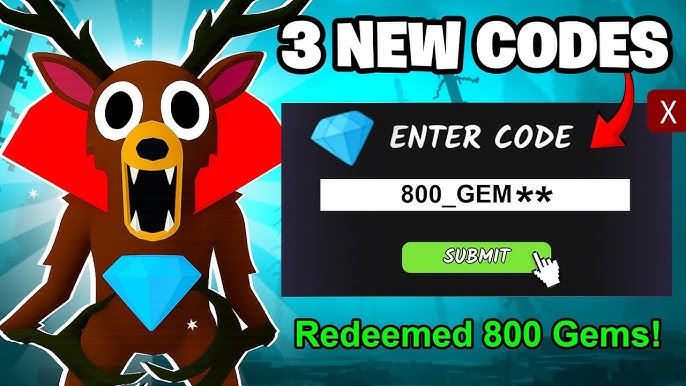
How To Get 99 Nights In The Forest Codes: A Complete Step-by-Step Guide
Find Out How To Earn Free Robux And Gift Codes To Upgrade Your Roblox Account