
 Hot Topic
How To Find And Nurture True Love In 2026

Ready to explore what meaningful, lasting connection looks like in the fast-changing world of 2026? In this guide, you'll discover actionable, low-pressure steps to find and nurture genuine bonds that align with your values and modern lifestyle. You'll walk away with a clear framework to build relationships that feel authentic, not forced.
Why should you care about updating your approach to connection for 2026? Modern dating tools, shifting social norms, and busy lifestyles have changed how people build meaningful bonds, and outdated advice often misses the mark. But it's important to understand that finding true love doesn't require perfect timing or grand gestures—small, intentional choices make the biggest difference.
Why true love in 2026 Is Worth Your Time
- Low barrier to genuine connection: Modern 2026 dating tools prioritize shared values and long-term compatibility over superficial traits, so you can skip the small talk and connect with people who match your core priorities faster.
- More flexible relationship frameworks: 2026 social norms accept a wider range of relationship structures, so you can build a bond that fits your unique goals, whether you want traditional partnership, cohabitation, or long-distance commitment.
- Built-in community support: Online and in-person groups for intentional dating in 2026 give you access to peers who share your goals, so you don't have to navigate the process alone.
- Transferable personal growth skills: The self-reflection and communication skills you build while pursuing true love in 2026 can improve all your relationships, from friendships to professional partnerships.
Step-by-Step Guide to true love in 2026
Step 1: Map your core relationship priorities
Take 30 minutes to list 5 non-negotiable traits you want in a partner, and 5 flexible preferences that you can compromise on. This exercise helps you avoid wasting time on connections that don't align with your long-term goals, and keeps you from prioritizing superficial traits over core compatibility.
Common mistake to avoid: Don't fill your list with surface-level preferences like "loves hiking" unless that activity is a core part of your identity.
Step 2: Choose 1-2 2026-aligned connection platforms
Pick 1 value-focused dating app and 1 in-person group or activity that matches your interests, whether that's a book club, volunteer project, or creative workshop. Using too many platforms can lead to decision fatigue, while focusing on a small number of spaces makes it easier to form deeper, more consistent connections with people you already share something in common with.
Pro tip: Prioritize platforms that require profile prompts about long-term goals instead of just photos.
Step 3: Practice intentional first interactions
When you connect with someone new, ask 2-3 open-ended questions about their core values and recent meaningful experiences, instead of sticking to generic small talk about work or the weather. This helps you gauge compatibility early, and makes you stand out from people who stick to surface-level conversation.
Common mistake to avoid: Don't overshare personal trauma or heavy life details on the first interaction, as that can create unnecessary pressure for both people.
Step 4: Build low-pressure shared experiences
Plan first 3-4 dates around low-stakes, interactive activities like visiting a local market, trying a new casual class, or going for a walk in a public park, instead of formal dinner dates. Low-pressure settings reduce performance anxiety for both people, and give you a chance to see how your potential partner acts in casual, unscripted situations.
Pro tip: Pick activities that you enjoy even if the date doesn't go well, so you don't feel like you wasted your time.
Step 5: Have an explicit compatibility check after 1 month
After 4-5 consistent dates, have a calm, non-confrontational conversation about each other's long-term relationship goals and boundaries. This check helps you avoid misalignment later, and ensures both people are on the same page about what they want from the connection.
Common mistake to avoid: Don't pressure the other person for a formal label right away—focus on aligning expectations first.
Step 6: Nurture consistent, small acts of connection
Once you're in a committed bond, prioritize 1 small, intentional act of care per week, whether that's making their favorite snack, asking about a project they're working on, or planning a low-key activity you both love. Small consistent gestures build trust far more effectively than rare, expensive grand gestures, and help your bond stay strong through busy or stressful periods.
Pro tip: Ask your partner what small acts of care mean the most to them, instead of guessing.
Challenges to Be Aware Of
- Time investment to avoid burnout: Sifting through low-quality matches and going on unfulfilling dates can take time, and it's easy to feel burnt out if you push yourself too hard. Set a strict limit of 1-2 dates per week, and take 1-2 week breaks if you start feeling frustrated, to keep your mindset positive.
- Algorithm bias on dating platforms: Many 2026 dating apps prioritize high-engagement profiles over compatible matches, so you may miss out on great connections that don't fit the algorithm's standard preferences. Spend 10 minutes per week browsing profiles outside of your recommended feed, and make an effort to connect with people who have slightly different interests than your usual picks.
- Shifting social norms confusion: 2026 has a wider range of acceptable relationship rules than ever before, and it can be hard to know what etiquette to follow with new connections. Be explicit about your own boundaries and expectations early, and ask your potential partner about theirs, to avoid unnecessary miscommunication.
Conclusion
You now have the foundation to start seeking and nurturing true love in 2026 in a way that fits your unique lifestyle and values. You don't need to be perfect or have every part of your life figured out to build a meaningful, lasting connection.
True love in 2026 offers the chance to build a bond that adapts to modern life, rather than forcing you to fit outdated relationship rules. By taking small, intentional steps, you're positioning yourself to find a connection that feels genuine, supportive, and aligned with what you actually want.
Don't wait for the perfect moment. Start mapping out your core relationship priorities today. The process of exploring connection will teach you more about yourself as much as it helps you find the right partner, and every small step brings you closer to the bond you want.
FAQ
How long does it take to find true love using this 2026 framework?
Most people who follow these steps consistently start seeing meaningful, compatible connections within 3 to 6 months, though timelines vary based on how much time you invest and your local dating pool. Remember that finding the right connection is not a race, and taking time to refine your priorities will lead to better long-term results. Be patient with the process, and focus on enjoying the exploration as much as the end goal.
Do I need to use dating apps to find true love in 2026?
No, dating apps are just one option for meeting people, and many people find meaningful connections through in-person activities, friend groups, or community events. If you don't enjoy dating apps, prioritize joining local groups or activities that align with your interests, where you can meet people naturally. Choose the connection method that feels most comfortable for you, as you'll make better connections when you're relaxed and authentic.
What's the best way to handle rejection when looking for true love in 2026?
Rejection is a normal part of the dating process, and it usually means you and the other person are not aligned on long-term goals, not that there is something wrong with you. After a rejection, take 1-2 days to process your feelings, then refocus on activities you enjoy that don't relate to dating. Don't let one bad experience stop you from putting yourself out there, as every rejection brings you closer to a connection that fits.
Can I build a long-term true love bond if I have a busy, non-traditional schedule in 2026?
Yes, many people in 2026 have busy, flexible schedules, and modern relationship norms are more accommodating of non-traditional timelines than ever before. Be upfront about your schedule and availability early in the connection, and prioritize quality over quantity when it comes to time spent with your partner. Many successful long-term couples in 2026 only see each other a few times per week, as long as they are intentional with the time they spend together.
RECOMMEND ARTICLES

What’s Your Fatal Flaw: The Personality Trait That Could Be Your Downfall!
How To Get The *FREE* Pets In Adopt Me!
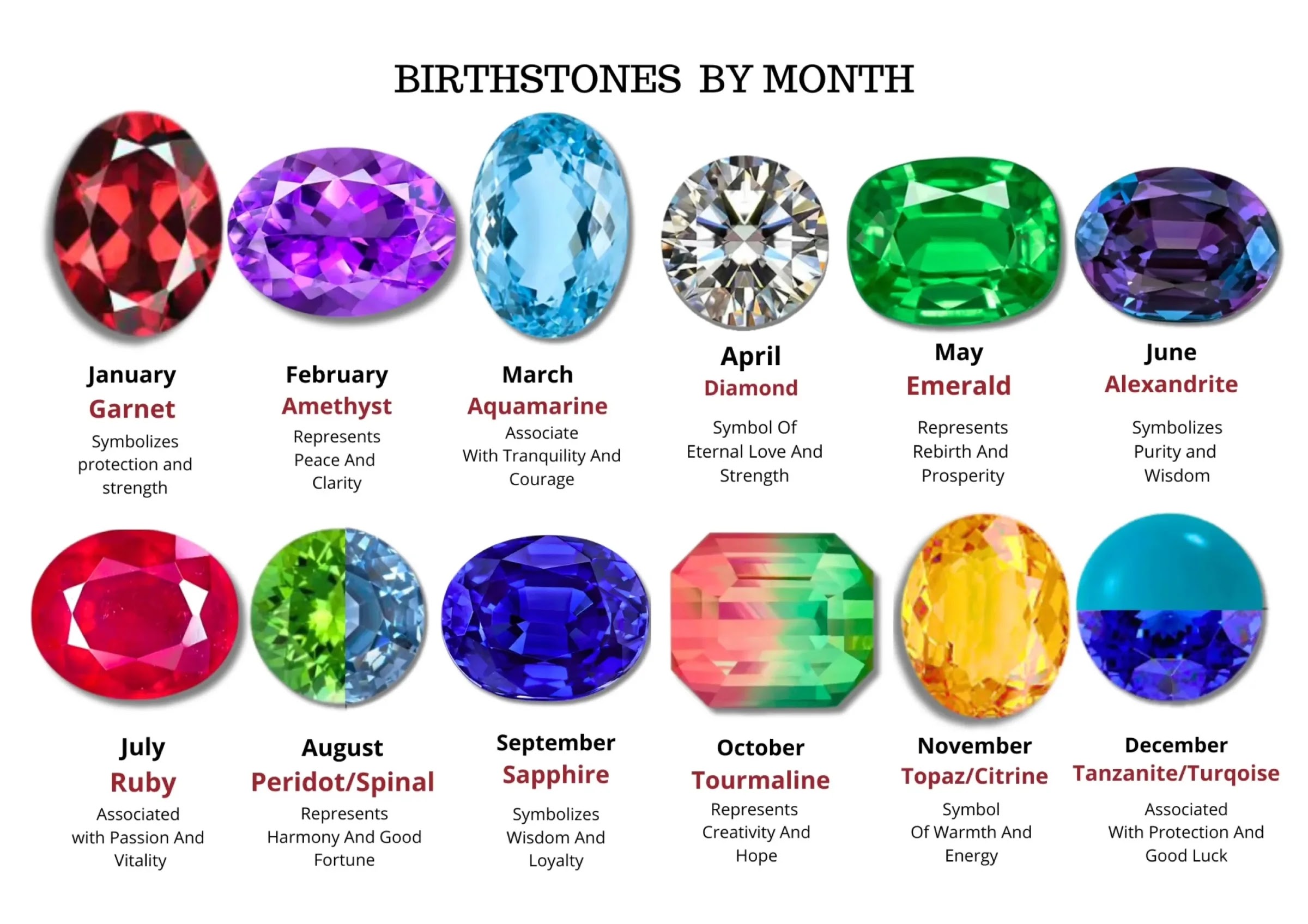
How To Uncover The Hidden Secrets Of Your Birthstone For Personal Insight

How To Set Up And Use Antivirus For APK Users: A Complete Step-by-Step Guide

What Was The Cause Of Your Death In Your Past Life?

How To Play Popular Switch Games For Free On Your Phone In 5 Minutes
How To Create And Use Minecraft Mods: A Complete Beginner’s Guide
9 Signs That Indicate Mental Illness

Managing High Cholesterol And High Blood Pressure: A Complete Guide

Who Is Missing You: A Psychological Dive Into Unseen Connections!
Most Read

Read Hot Chapters Of Novel Work In Progress: Padon And Adira!

How To Get Promo Codes And Redeem Them For Free Champions

Comprehensive Handbook On Residential Support For Seniors And Individuals With Disabilities

How To Choose And Use Antivirus For APK Users: A Complete Step-by-Step Guide

How To Find Hidden Free Rewards In Avakin Life Today: A Step-by-Step Guide