
 Hot Topic
How To Learn A New Language From Scratch: A Complete Beginner’s Guide

Ready to dive into learning a new language but don’t know where to start? In this guide, you’ll discover actionable, beginner-friendly steps to build core skills, hold simple conversations, and stay consistent as you work toward your language goals.
How will this process change your daily and travel experiences? Learning a new language opens doors to connecting with new cultures, accessing exclusive media, and boosting your professional appeal. But it’s important to approach it with structured steps to avoid common beginner frustrations.
Why Learning a New Language from Scratch Is Worth Your Time
- Low barrier to entry: You don’t need expensive courses or prior experience to start. Free mobile apps and online resources let you practice for 10 to 15 minutes a day from anywhere, fitting easily into busy beginner schedules.
- Connect with global communities: Even basic conversational skills help you talk to native speakers around the world. You can make new friends, navigate travel experiences more smoothly, and gain deeper insight into different cultural norms.
- Build transferable cognitive skills: Regular language practice improves your memory, multitasking abilities, and problem-solving skills. These benefits translate to work, school, and other personal learning projects you take on later.
- Access exclusive content: You’ll be able to enjoy shows, music, books, and social media in their original language, without relying on subtitles or translations. This makes your learning process feel more fun and rewarding over time.
- Boost your professional profile: Many employers value bilingual or multilingual candidates for roles that involve international collaboration or customer support. Even intermediate skills can make your resume stand out from other applicants.
Step-by-Step Guide to Learning a New Language from Scratch
Step 1: Pick your target language and set small, realistic goals
First, choose a language that aligns with your personal interests or professional needs, not just what is currently popular. Then set short-term goals like learning 10 common words a week or holding a 2-minute introduction conversation, instead of vague targets like “become fluent”.
Common mistake to avoid: Don’t set overly ambitious goals that leave you feeling burnt out after the first two weeks of practice.
Step 2: Gather 2 to 3 beginner-friendly learning tools
Stick to a small set of resources to avoid feeling overwhelmed: try one free vocabulary app, one basic grammar guide, and a listening resource like a slow-paced podcast for beginners. Prioritize tools that use gamification or real-world examples to make practice feel less like work.
Pro tip: Avoid paying for expensive premium courses until you’ve practiced consistently for at least one month and confirmed your interest in the language.
Step 3: Build core vocabulary and basic pronunciation first
Start with the 100 most common words in your target language, which make up roughly 80% of daily casual conversation. Practice pronouncing each word out loud, and use free audio resources or speech recognition tools to check if your pronunciation is clear for native speakers.
Common mistake to avoid: Don’t spend hours memorizing rare vocabulary or complex grammar rules before you can form simple, useful sentences.
Step 4: Practice active use for 10 to 15 minutes every day
Consistency matters far more than long, occasional study sessions. Spend your daily practice time saying sentences out loud, writing short notes about your day in the target language, or quizzing yourself on vocabulary you learned earlier in the week.
Pro tip: Schedule your practice session at the same time every day, like right after breakfast or before bed, to turn it into a regular habit.
Step 5: Find low-pressure opportunities to interact with native speakers
Once you can form basic sentences, join free language exchange apps or local beginner meetups to practice with native speakers. Focus on communicating your message clearly, even if you make grammar mistakes, and ask for gentle feedback on areas you can improve.
Common mistake to avoid: Don’t wait until you feel “perfect” to start speaking, as that can delay your progress for months or even years.
Step 6: Incorporate the language into your daily leisure activities
Switch the language settings on your phone, social media, or favorite streaming service to your target language. Listen to simple pop songs, watch kids’ shows, or read short children’s books to practice comprehension without feeling like you are doing formal study.
Pro tip: Keep a small notebook to write down new words you encounter during these leisure activities, and review them at the end of each week.
Challenges to Be Aware Of
- Initial slow progress: Many beginners feel frustrated when they can’t hold full conversations after a few weeks of practice. Remember that building basic conversational skills usually takes two to three months of consistent daily practice, so celebrate small wins like learning a new phrase or understanding a short sentence.
- Staying consistent during busy periods: Life events like work deadlines or family commitments can disrupt your daily practice routine. If you miss a day or two, don’t quit entirely—just get back to your 10-minute sessions as soon as possible to avoid losing the progress you’ve already made.
- Fear of making mistakes when speaking: Many beginners avoid speaking because they worry about sounding silly or being judged by native speakers. Most native speakers appreciate the effort you put into learning their language, and mistakes are a normal, necessary part of the learning process that help you improve faster.
Conclusion
You now have the foundation to start learning a new language from scratch, even if you have no prior experience with language learning. The steps in this guide are designed to reduce frustration and help you see small, consistent progress from your very first week of practice.
Learning a new language from scratch offers opportunities to connect with new people, access unique content, and boost your personal and professional skills. By following this structured approach, you’re positioning yourself to reach your language goals faster than if you tried to learn through random, unplanned practice.
Don’t wait for the perfect moment. Start by picking your target language and writing down your first small goal today. Your first conversation in a new language is closer than you think, and every small practice session brings you one step closer.
FAQ
How long does it take to learn a new language from scratch as a beginner?
The timeline depends on your target language and how consistently you practice, but most beginners reach basic conversational level in 3 to 6 months with 10 to 15 minutes of daily practice. More complex languages with different writing systems may take 6 to 12 months to reach the same level. Be patient with your progress, and adjust your practice time if you want to speed up your learning.
Do I need to pay for expensive courses to learn a new language from scratch?
No, you don’t need to spend money to start learning a new language. There are many high-quality free resources, including mobile apps, YouTube tutorials, and language exchange platforms, that work well for beginners. You can choose to pay for premium courses or tutoring later if you want more structured guidance or personalized feedback. Start with free tools first to test your interest before investing any money.
What’s the best way to practice speaking when I don’t know any native speakers?
You can practice speaking even without a partner by talking to yourself about your day, reading passages out loud from children’s books, or using speech recognition tools built into most language apps. You can also join free language exchange communities online to connect with native speakers who want to learn your native language. Even 5 minutes of speaking practice a day will help you get more comfortable forming sentences out loud.
Can I learn more than one language at the same time as a complete beginner?
It is possible, but most beginners see faster progress if they focus on one language at a time until they reach a basic conversational level. Learning two languages at once can lead to confusion with vocabulary and grammar rules, especially when you are still building core foundational skills. Once you feel comfortable with your first target language, you can add a second one if you have the time and motivation to practice both consistently.


RECOMMEND ARTICLES

What’s Your Fatal Flaw: The Personality Trait That Could Be Your Downfall!

How To Detect A Ghost In Real Life With Free Applications
How To Get Free Brawl Stars Gems & Rare Skins: Complete Player Guide

How To Identify People Who Would Betray You: A Practical Guide For Ordinary People

How To Recognize When Someone Is Jealous Of You: A Practical Guide For All
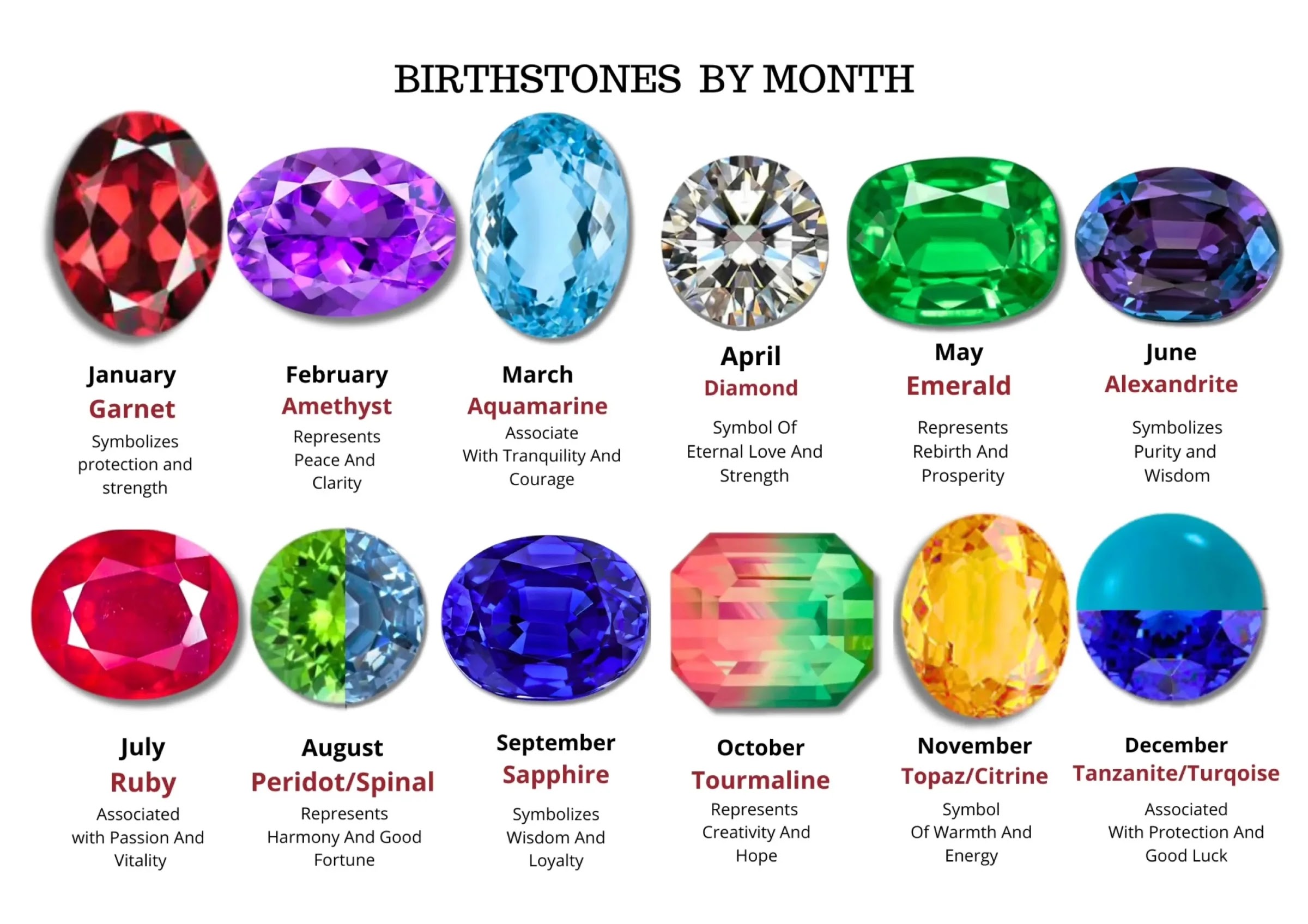
How To Uncover The Hidden Secrets Of Your Birthstone For Personal Insight

How To Navigate Housing Selection As A Senior: A Step-by-Step Guide

Navigating Senior Housing Options For The 55+ Community

Love, Obsession, And Shadows: A Complete Guide To Yandere Simulator

10 Women Of The Bible Who Shaped Faith And Courage!
Most Read

8 Signs To Tell If Someone Has A Crush On You!

How To Explore The Abandoned Anomaly Zoo & Unlock Hidden Story Cosmetic Skins: A Complete Player Guide

How To Get New Codes In Dress To Impress: A Practical Guide For Players

Comprehensive Handbook On Residential Support For Seniors And Individuals With Disabilities

The Ultimate Guide To Finding And Enjoying Free Short Drama Apps