
 Hot Topic
How To Pack A Carry-On Bag For A Two-Week Trip Using Packing Cubes

Ready to skip checked bag fees and breeze through airport security on your next two-week trip? In this guide, you'll discover how to use packing cubes to organize every item you need in a single carry-on. You’ll avoid overpacking, find items in seconds, and make your entire travel experience far less stressful.
Why should you care about using packing cubes for a two-week carry-on trip? This method cuts down on packing time, eliminates last-minute repacking panic, and ensures you never leave essential items behind. But it's important to understand the core benefits and step-by-step process to make this system work for your travel needs.
Why Packing a Carry-On for a Two-Week Trip With Packing Cubes Is Worth Your Time
- Avoid checked bag fees and delays: Most airlines charge extra for checked luggage, and delayed bags can ruin the first few days of your trip. Using a carry-on with packing cubes lets you skip these costs and keep all your belongings with you at all times.
- Cut down on packing and unpacking time: Instead of rummaging through a messy bag to find a single shirt, packing cubes keep similar items grouped together. You can pull out one cube at a time when you arrive, without dumping your entire bag out.
- Fit more items in less space: Packing cubes compress soft clothing slightly, so you can fit 10-15% more items in your carry-on than you would with loose packing. This makes it far easier to bring enough outfits for two full weeks of travel.
- Stay organized on longer trips: If you move between multiple hotels or destinations on your trip, you don’t have to repack your entire bag every time. You can leave most cubes zipped and only access the items you need for each stop.
- Reduce travel stress: Knowing exactly where every item is in your bag eliminates the panic of searching for important documents or clothes last minute. This small upgrade can make your entire trip feel far more calm and enjoyable.
Step-by-Step Guide to Packing a Carry-On for a Two-Week Trip Using Packing Cubes
Step 1: Plan your outfits and gather all needed items
Start by listing out all activities you have planned for your trip, from casual sightseeing to formal dinners, then pick 10-12 versatile, mix-and-match clothing pieces. Lay every item out on your bed, including undergarments, socks, and accessories, so you can see exactly what you need to pack. Do a final check to remove any items you are unlikely to wear more than once.
Pro tip: Choose clothing made of wrinkle-resistant fabric to cut down on ironing time during your trip.
Step 2: Sort items by category and pick the right size packing cubes
Group your items into categories: tops, bottoms, undergarments and socks, accessories, and toiletries. Select packing cubes of different sizes: large for bulky items like sweaters and pants, medium for shirts, and small for undergarments and accessories. Aim for 4-5 cubes total to avoid overcrowding your carry-on.
Common mistake to avoid: Don’t use more than 5 packing cubes, as the extra fabric will take up unnecessary space in your bag.
Step 3: Pack each cube strategically to maximize space
Fold or roll clothing items tightly before placing them in their assigned cubes. For soft items like t-shirts, rolling can save more space and reduce wrinkles, while folding works better for stiffer items like button-down shirts. Fill each cube to 90% capacity so it holds its shape but is not overstuffed, then zip it closed securely.
Pro tip: Place heavier items like jeans at the bottom of each cube to keep the structure stable when stacked.
Step 4: Arrange the packed cubes in your carry-on
Place the heaviest cubes (usually those with pants and sweaters) at the bottom of your carry-on, closest to the wheels for better weight distribution. Stack medium cubes on top of the heavier ones, then tuck small cubes into any remaining gaps between larger cubes. Leave a small, easy-to-reach pocket for items you need to access quickly, like a phone charger or travel documents.
Common mistake to avoid: Don’t place heavy cubes near the top of the bag, as this can make it tip over when you set it down.
Step 5: Pack separate cubes for toiletries and dirty laundry
Use a waterproof packing cube for liquid toiletries, making sure all containers are under 3.4 ounces to comply with airport security rules. Keep this cube in an outer pocket so you can pull it out quickly for security screenings. Pack an empty, breathable packing cube to store dirty clothes during your trip, so you don’t mix worn items with clean ones.
Pro tip: Add a small dryer sheet to your dirty laundry cube to keep unpleasant smells from spreading to the rest of your bag.
Step 6: Do a test close and adjust as needed
Once all cubes are placed in your carry-on, try to zip it closed fully without forcing it. If the bag won’t zip easily, remove one or two non-essential items, or rearrange cubes to fill empty gaps more efficiently. Weigh your bag if your airline has a carry-on weight limit to avoid extra fees at the gate.
Common mistake to avoid: Don’t force your bag closed, as this can damage the zippers and make it hard to access items mid-trip.
Step 7: Create a quick reference list for cube contents
Write a short note on your phone listing which items are in each cube, or add a small label to the outside of each cube. This will help you find what you need in seconds without opening every cube during your trip. You can adjust the labels as you move items around during your travels.
Pro tip: Take a quick photo of your packed bag before you leave, so you can remember exactly how you arranged items for your trip home.
Challenges to Be Aware Of
- Overpacking temptation: It can be hard to leave non-essential items behind when you know you have space in packing cubes. If you pack too many items, your carry-on may exceed weight limits or be too bulky to fit in overhead bins. Stick to your original outfit list and remove any items you haven’t worn on a recent trip.
- Finding the right cube size for your bag: Packing cubes come in many sizes, and sets that work for one carry-on may be too large or small for another. If your cubes don’t fit well, you will waste valuable space in your bag. Measure the interior of your carry-on before buying packing cubes to ensure they will stack properly.
- Managing dirty laundry on longer trips: Over two weeks, your dirty laundry will take up a significant portion of your packing cube space. If you don’t plan for this, you may struggle to fit all your items on the trip home. Look for accommodation with laundry facilities, or pack a small travel laundry kit to wash items mid-trip.
Conclusion
You now have the foundation to start packing a carry-on for a two-week trip using packing cubes successfully. Even if you have struggled with overpacking in the past, this simple system can help you fit everything you need without extra stress.
Packing with cubes offers the chance to save money on travel fees, reduce travel anxiety, and spend more time enjoying your trip instead of organizing your belongings. By following these steps, you're positioning yourself for far smoother, more enjoyable travel experiences in the future.
Don't wait for your next big trip to test this system. Start practicing by packing for a weekend getaway today. You’ll be surprised how quickly you master this skill and wonder how you ever traveled without packing cubes.
FAQ
How long does it take to pack a two-week carry-on using this method?
Most people can complete the entire process in 45 minutes to an hour once they are familiar with the system. Your first attempt may take a little longer as you figure out the best way to arrange your items. Try a test pack a few days before your trip to get comfortable with the process before you travel.
Do I need to buy special packing cubes to make this method work?
You don’t need expensive, brand-name packing cubes to use this system effectively. Basic, affordable fabric cubes from most travel stores work just as well as premium options. If you don’t want to buy new cubes, you can even use small, clean drawstring bags as a temporary alternative while you test the system.
What’s the best way to pack shoes with packing cubes for a two-week trip?
Pack 2-3 pairs of versatile shoes that work for multiple occasions, and place them in shoe bags or old grocery bags to keep dirt away from your clothing. Tuck them in the gaps between packing cubes at the bottom of your carry-on, or place them in the outer side pockets of your bag if space allows. Avoid packing more than 3 pairs of shoes, as they take up a lot of valuable space.
Can I use this packing method for trips longer than two weeks?
This method works well for trips longer than two weeks, especially if you have access to laundry facilities during your travels. You can wash items mid-trip to reuse them, so you don’t need to pack extra clothing. Adjust your outfit list to include even more versatile pieces that can be dressed up or down for different occasions if you are traveling for a longer period.


RECOMMEND ARTICLES

A Rebel's Destiny: Reviewing The Defiant Mate!
How To Choose The Right Running Shoes For Your Foot Type

How To Blend In Like A Pro In Meccha Chameleon: Beginner's Guide & Advanced Tips

How To Get Free Brawl Stars Gems & Rare Skins: Complete Player Guide

How To Play Gorilla Tag On Your Mobile Phone And Unlock Unlimited Widgets: A Complete Beginner’s Guide

How High Is Your IQ? Take The Ultimate Filter Challenge
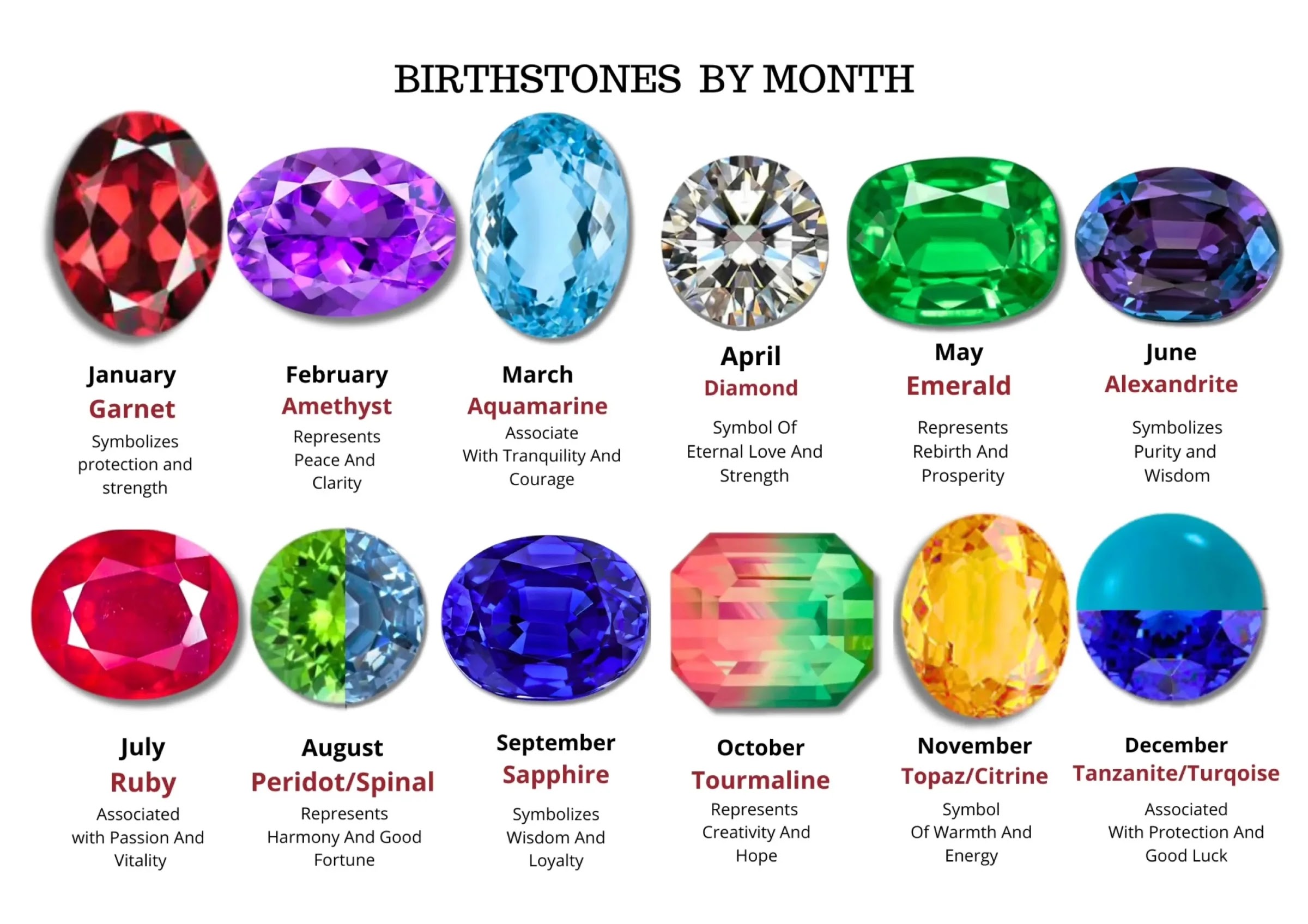
How To Uncover The Hidden Secrets Of Your Birthstone For Personal Insight

What's Your Memory Level?

How To Find And Enjoy Toca Hidden Items: A Complete Guide

Indian Culture Unveiled: Some Facts You Need To Know!
Most Read

How To Get Started With Zepeto: A Complete Guide For New Players

Love Tester|Discover Your Compatibility % With Your Soulmate

How To Find And Use Minecraft Diamonds: A Complete Player's Guide
✋ Palm Reading: What Will Happen In Your Future?

Top 5 Trending Hairstyles For A Perfect First Impression On Dates!