
 Hot Topic
How To Predict Your Future By Reading Your Palm

Ready to dive into the ancient practice of palm reading to gain insights into your own future? In this guide, you'll discover simple, beginner-friendly techniques to interpret the lines and features of your palm. You'll walk away with the skills to read basic markers for career, relationships, and personal growth on your own.
How will this practice add value to your daily life? Palm reading connects you to a centuries-old traditional practice widely respected across many Indian communities, offering personal clarity without needing expensive tools or expert support. But it's important to approach this practice with openness, not rigid expectations, as we walk through the process step by step.
Why Palm Reading for Future Prediction Is Worth Your Time
- Low-barrier entry for beginners: You don’t need any special training or tools to start practicing, just your own hand and a basic understanding of key lines. This makes it accessible for anyone curious about traditional divination practices in India.
- Connects to cultural heritage: Palm reading, or hast samudrik shastra, has deep roots in ancient Indian spiritual and cultural traditions. Practicing it helps you engage with a wisdom system passed down through generations in your community.
- Offers personal clarity for small decisions: You can use basic palm readings to gain perspective on small life choices, from career moves to relationship considerations, before making final calls. It acts as a personal reflective tool whenever you feel uncertain.
- Can be shared with family and friends: Once you learn the basics, you can practice with loved ones during family gatherings or local community events, creating meaningful shared experiences. It can also become a fun, low-pressure activity at social functions.
- Builds observation and intuitive skills: Regular palm reading practice helps you notice small details and trust your intuitive interpretations, skills that translate to many areas of daily life. These skills can help you navigate personal interactions with more awareness as well.
Step-by-Step Guide to Predicting Your Future by Reading Your Palm
Step 1: Choose your dominant hand for the reading
First, confirm which hand is your dominant one -- the hand you use to write or perform most daily tasks. In Indian palm reading traditions, your dominant hand reflects your current life path and the choices you have made so far, while your non-dominant hand shows your innate potential. Focus only on your dominant hand for your first few readings to avoid confusion.
Common mistake to avoid: Don’t switch between hands mid-reading, as this will make your interpretations inconsistent and harder to follow.
Step 2: Identify the four major lines on your palm
Look closely at your palm to locate the four core lines: the heart line (curving below your fingers), the head line (running horizontally across your middle palm), the life line (curving around your thumb), and the fate line (running vertically up the center, if you have one). Each line corresponds to a different area of your life: relationships, thinking patterns, vitality, and career path respectively. Take a minute to trace each line with your finger to get familiar with its shape and length.
Pro tip: Use soft natural light when examining your palm to avoid missing faint lines or small markings.
Step 3: Interpret the heart line first for relationship insights
Start with the heart line, which sits closest to the base of your fingers. A long, curving heart line that reaches the edge of your palm often indicates you are open, expressive, and prioritize deep connections in relationships. A shorter, straighter heart line may suggest you are more independent and value personal space in partnerships. Take note of any small breaks or branches, as these can point to past or upcoming shifts in your personal relationships.
Step 4: Read the head line to understand your thinking and career inclinations
The head line runs directly below the heart line, across the middle of your palm. A long, clear head line suggests you are detail-oriented, analytical, and thrive in roles that require careful planning or problem-solving. A shorter, more curved head line may indicate you are creative, prefer hands-on work, and make decisions based on intuition more than logic. If the line splits into two branches, you may have a knack for seeing multiple perspectives and balancing conflicting priorities.
Step 5: Analyze the life line to gauge your vitality and life changes
The life line curves around the mound at the base of your thumb, and contrary to common myth, it does not predict how long you will live. A deep, unbroken life line indicates you have strong physical vitality and a stable, consistent approach to life. Faint lines or small breaks in the life line can point to periods of major change, unexpected challenges, or shifts in your living situation in the past or future. The length of the line reflects the intensity of your life experiences, not your lifespan.
Step 6: Check for the fate line for career and life path clues
Not everyone has a fate line, and that is completely normal -- it simply means you actively shape your own path rather than following a set trajectory. A clear, straight fate line running from the base of your palm to your middle finger suggests you have a strong sense of purpose and will find consistent progress in your chosen career. A broken or wavy fate line may indicate you will explore multiple different career paths or interests before settling on one that fits you best. If the line starts near the life line, you may find success through family connections or community support.
Step 7: Combine your observations for a full, balanced reading
Now, pull together what you learned from each line to create a cohesive interpretation rather than focusing on one single marking. For example, if you have a creative head line and a wavy fate line, you may find fulfillment in a flexible, creative career that lets you explore different projects over time. Always frame your interpretations as potential insights, not fixed outcomes, as your choices can shift any part of your path over time. Write down your observations so you can compare them to real life events over the next few months.
Pro tip: If you are unsure about a marking, note it down and revisit it after a few weeks to see if you gain new perspective as you practice more.
Challenges to Be Aware Of
- Interpretation ambiguity: It is common to feel unsure about what a specific line or marking means, especially as a beginner. Avoid jumping to negative conclusions about faint lines or breaks, as most markings represent potential shifts rather than fixed negative events. You can cross-reference your readings with traditional Indian hast samudrik resources to gain more clarity if you feel stuck.
- Temptation to take readings as absolute fact: Many new learners fall into the trap of treating palm reading results as unchangeable predictions. Remember that palm lines shift over time as you make new choices and have new experiences, so readings only show current trajectories, not permanent outcomes. Always leave room for your own decisions to shape your future.
- Misinterpretation causing unnecessary worry: If you notice a marking you perceive as negative, it is easy to feel anxious about what it might mean. Remind yourself that challenging markings often point to growth opportunities rather than unavoidable bad events. If you feel unsettled by a reading, set it aside for a few days before revisiting it with a calmer, more open mindset.
Conclusion
You now have the foundation to start predicting your future by reading your palm using traditional, beginner-friendly techniques. You can practice on yourself first, then try reading for close friends and family as you build more confidence in your skills.
Palm reading offers a meaningful way to connect with ancient Indian cultural wisdom while gaining personal clarity on your life path, and by mastering it, you're positioning yourself to have a simple, accessible reflective tool for life's small and big decisions.
Don't wait for the perfect moment. Start examining your dominant hand and identifying the four major lines today. You'll be surprised how much insight you can gain with just a little practice and patience.
FAQ
How long does it take to get good at basic palm reading?
Most beginners can learn to interpret the four major lines accurately within 2 to 3 weeks of regular, short practice sessions. Spend 10 to 15 minutes a day studying your own palm and noting how your observations align with your life experiences. Over time, you will naturally get faster and more confident in your interpretations. Start with small, low-pressure readings to build your skills gradually.
Do I need any special books or tools to learn palm reading as a beginner?
You don’t need any special tools to start, just your hand and access to basic, reputable resources on Indian hast samudrik shastra if you want to dive deeper. You can use a magnifying glass if you have very faint lines, but it is not required for most beginners. Avoid overly expensive courses or kits, as the core basics are widely available for free from trusted cultural resources. Start with free guides first before investing in any paid materials.
What's the best way to practice palm reading as a new learner?
Start by reading your own palm once a week and writing down your observations to compare with real life events over time. Once you feel comfortable, ask close family or friends if you can practice reading their palms, as long as you frame readings as fun insights rather than fixed facts. Ask them for feedback on whether your interpretations align with their experiences to refine your skills. Avoid offering readings to people who are skeptical or looking for definitive answers, as this can create unnecessary pressure.
Can I turn palm reading into a small side activity for my local community?
Yes, many people in Indian communities offer small palm reading sessions at local fairs, family events, or community gatherings as a fun, low-pressure activity. Make sure you clearly frame your readings as general insights, not definitive predictions, to set proper expectations for participants. You can offer these sessions for free or in exchange for small non-monetary community contributions if you wish. Always be transparent about your experience level when offering readings to people outside your immediate friend group.


RECOMMEND ARTICLES

How To Play Meccha Chameleon On Mobile: Complete Guide With Tips, Tricks & Best Hiding Spots

How To Become More Powerful In EA SPORTS FC Mobile

How To Earn Free Dice: A Complete Step-by-Step Guide For Players

How To Get The *FREE* Pets In Adopt Me!

How To Get Free And Rare Blox Fruits Easily

How To Obtain Free Codes In Grow A Garden 2

How Can You Determine Your Risk Of Developing Depression?

How To Play Toca Life Without Downloading: A Simple Guide For All Players

How To Unlock And Use Toca Life Free Outfits: A Complete Guide
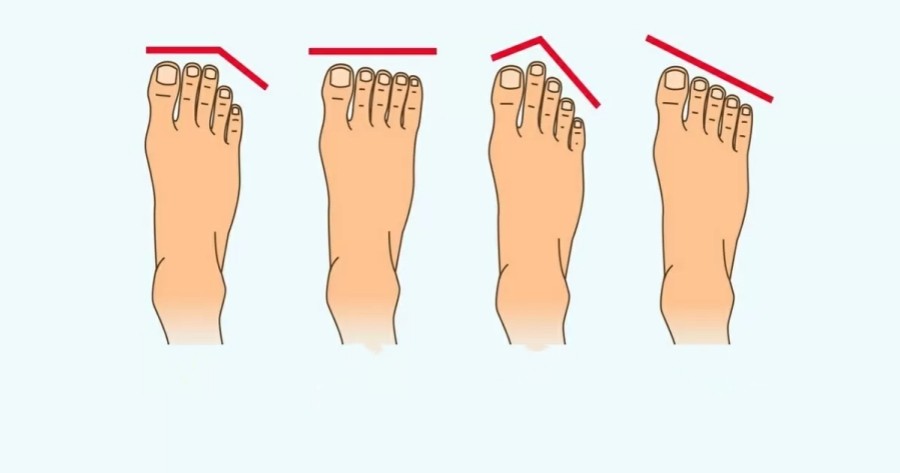
What Does Your Foot Shape Says About You?
Most Read

The Devourers:Werewolf Horror Romance Book Review

Read Hot Chapters Of Novel The Billionaire's Regret Online!

How To Calculate Birthday Love Compatibility: Insights For Your Relationship

How To Calculate Your Real Brain Age Safely

How To Improve Your Brookhaven RP Experience In 5 Minutes