
 Hot Topic
How To Use CatTranslator - Cat To Human App To Understand Your Feline Friend

Ready to finally understand what your cat is trying to tell you when they meow, purr, or trill? In this guide, you'll discover how to use the CatTranslator - Cat to Human App to decode your cat's vocalizations and body language. By the end, you'll be able to build a closer, more responsive bond with your pet.
How will this app change your daily interactions with your cat? Learning to interpret your cat's signals can help you meet their needs faster, reduce unnecessary stress for both of you, and spot potential discomfort early. But it's important to understand how the app works to get the most accurate, useful results from your sessions.
Why CatTranslator - Cat to Human App Is Worth Your Time
- Low learning curve for all pet owners: You don't need any special technical or animal behavior training to use the app effectively. Its intuitive interface walks you through every step, so you can start translating your first meow minutes after downloading.
- Deeper emotional bond with your cat: Understanding when your cat is asking for food, attention, or space helps you respond appropriately to their needs. Over time, this builds trust and reduces miscommunication that can lead to frustration for both of you.
- Early health issue detection: The app can flag unusual vocalization patterns that may signal pain, anxiety, or other health concerns. While it is not a replacement for vet care, it can help you catch potential issues earlier than you might on your own.
- Shareable insights for household members: You can save translation logs and share them with other people who care for your cat, like family members or pet sitters. This ensures everyone on your care team understands your cat's unique preferences and cues.
Step-by-Step Guide to CatTranslator - Cat to Human App
Step 1: Download and set up your account
Start by downloading the official CatTranslator app from a trusted app store, then create a basic profile for your cat. Enter details like their age, breed, and known personality traits, as these factors help the app fine-tune translation accuracy for your specific pet. You can skip optional premium features for now to test the free core tools first.
Common mistake to avoid: Don't use third-party modded versions of the app, as they may have inaccurate translation algorithms or pose privacy risks for your personal data.
Step 2: Record your first cat vocalization
When your cat makes a clear, distinct sound (like a meow, purr, or hiss), open the app and tap the record button. Hold your phone 6 to 12 inches away from your cat to capture clear audio without distorting the sound. Let the app process the recording for 2 to 3 seconds until it pulls up a result.
Pro tip: Try to record in a quiet space with no background TV or conversation noise, as extra sounds can interfere with the app's analysis.
Step 3: Cross-reference with body language cues
After you get a translation result, use the app's built-in body language guide to match the vocalization with your cat's current posture and actions. For example, a meow translated as "looking for attention" makes more sense if your cat is rubbing against your leg at the same time. This cross-check helps you confirm the translation is accurate for your pet's specific habits.
Step 4: Log and save familiar interactions
When you get a translation that matches what you already know about your cat (like a meow that happens right before they eat), save it to your custom cat profile. Over time, the app will learn your cat's unique vocal patterns and deliver more personalized, reliable results. You can add notes to each log to track specific contexts, like meows that happen near their food bowl or litter box.
Step 5: Test translations with common interactions
Run small tests to verify the app's accuracy by responding to translated requests and watching your cat's reaction. For example, if the app says your cat is asking for playtime, pull out their favorite toy and see if they engage. If the translation seems off, mark the result as inaccurate to help the app improve for future uses.
Step 6: Use the community feature to compare notes
Join the app's pet owner community to share your translation experiences and compare notes with other cat parents who have similar breeds or personalities. You can pick up tips for interpreting unusual sounds that your cat makes, or help other users by sharing what you've learned about your own cat's cues. Avoid taking every community post as fact, since every cat has their own unique communication style.
Challenges to Be Aware Of
- Variable accuracy for unique cat vocalizations: No translation app is perfectly tailored to every single cat, since individual cats develop their own unique vocal quirks over time. You may get occasional inaccurate results, especially if your cat has a very soft or unusually pitched meow. Build a library of your cat's specific sounds in the app to improve accuracy over time.
- Requires consistent background noise control: The app struggles to process clear recordings if you are in a loud space with lots of overlapping sounds. If you live in a busy household, you may need to move to a quieter room with your cat to get usable recordings. You can also invest in a small external microphone for your phone if you regularly have issues with background noise.
- Not a replacement for professional veterinary care: Some cat vocalizations signal pain or serious health issues, and the app is not designed to diagnose medical conditions. If you notice sudden, unusual changes in your cat's vocal patterns or behavior, always consult a licensed vet first. Use the app as a supplementary tool, not a substitute for professional care.
Conclusion
You now have the foundation to start using the CatTranslator - Cat to Human App to decode your cat's unique communication style. With a little practice and regular logging, you'll be able to pick up on your cat's needs faster and avoid common miscommunication frustrations.
CatTranslator offers a fun, accessible way to build a stronger bond with your feline companion, and by mastering its core features, you're positioning yourself to be more attuned to their wants and needs. Even small daily practice sessions can lead to noticeable improvements in how well you understand each other.
Don't wait for the perfect moment. Start recording your cat's next meow today. You may be surprised by how much they've been trying to tell you all this time, and every small insight brings you one step closer to a happier, more connected relationship.
FAQ
How long does it take to get accurate translations from the app?
Most users start getting reasonably accurate results for their cat's most common sounds within 1 to 2 weeks of regular use. You can speed up this process by logging at least 3 to 4 vocalizations per day and marking accurate or inaccurate results for the algorithm to learn from. Try to record a mix of different sounds (purrs, meows, hisses) to build a more complete profile for your cat.
Do I need any special equipment to use the CatTranslator app?
All you need is a smartphone running a recent version of iOS or Android, and the built-in microphone on most phones works perfectly for regular use. If you frequently record in slightly noisy spaces, a cheap external lapel mic can improve audio quality, but it is not required for basic use. You also do not need an internet connection for the core recording and translation features, though you will need it to access the community and cloud backup tools.
What's the best way to handle inconsistent translation results?
First, check that you recorded the audio clearly with no background noise, and that you matched the vocalization to your cat's visible body language. If results are still inconsistent, log the translation as inaccurate and add a note about what your cat was actually doing at the time. Over 2 to 3 weeks, these corrections will help the app learn your cat's unique voice and deliver more consistent results. You can also reach out to the app's support team if you have persistent issues with a specific type of vocalization.
Can I use the app to track my cat's behavior for my vet?
Yes, the app's log feature lets you export a record of your cat's vocalizations, associated translations, and your personal notes over any time frame. Many vets find this data helpful for spotting patterns that may signal anxiety, pain, or other health concerns between appointments. Always share these logs alongside your own observations, and never use the app's translations to self-diagnose serious health issues without consulting a professional first.


RECOMMEND ARTICLES
2025's Hottest Antivirus Apps: Stay Safe Online With These Picks!

How To Make Money Fast In Sims 4 Without Cheats

How To Get Money EASILY In Blox Fruits
How To Create And Use A Mobile Phone Battery Emoji Pack: A Complete Guide For All Users
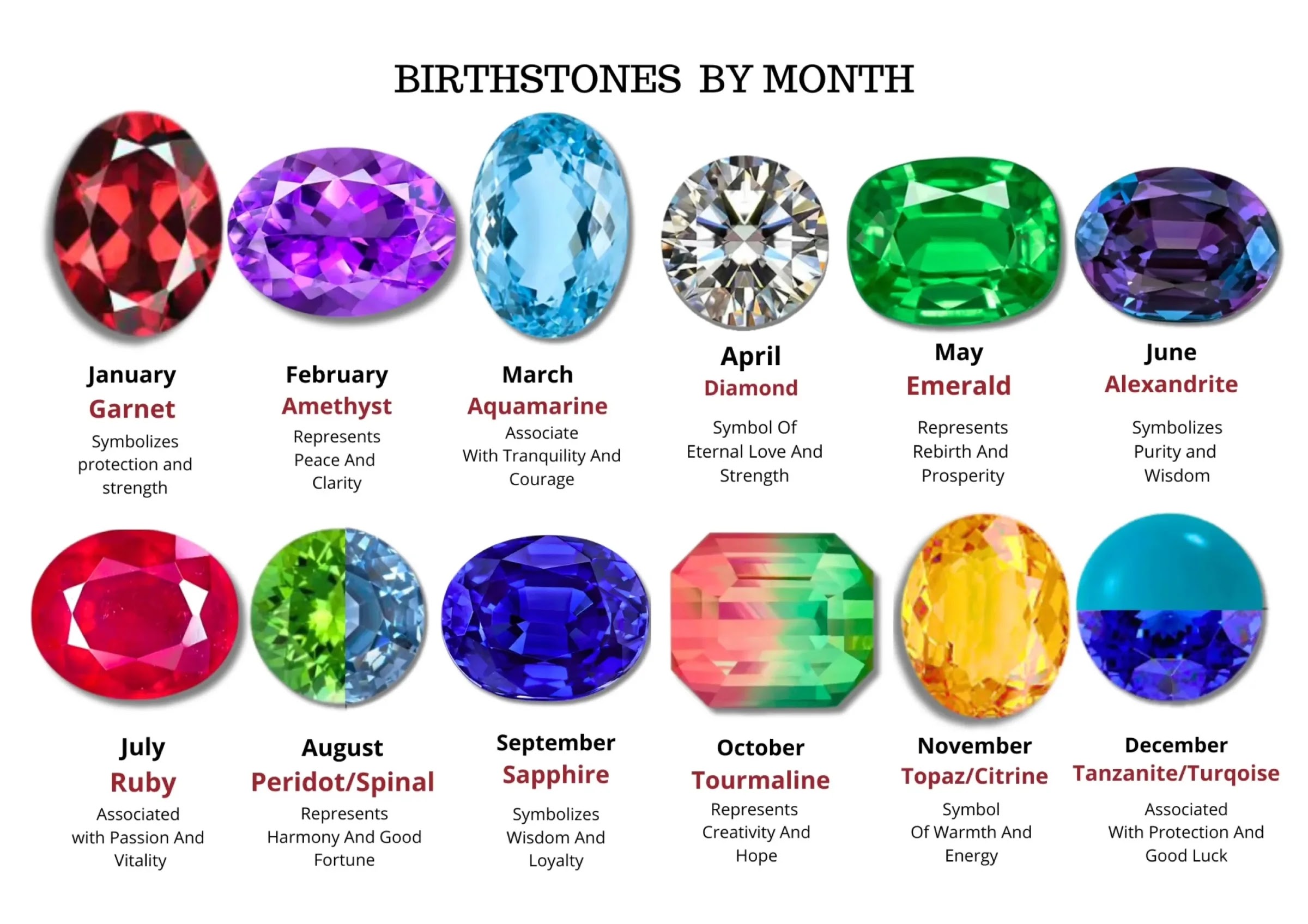
How To Uncover The Hidden Secrets Of Your Birthstone For Personal Insight

Who Has A Crush On You?

How To Create And Customize Roblox Skins: A Complete Guide For Players

Read Hot Chapters Of Novel Fated To The Vampire Prince Online!

10 Best Hairstyles For Men To Look Irresistible On Dates!
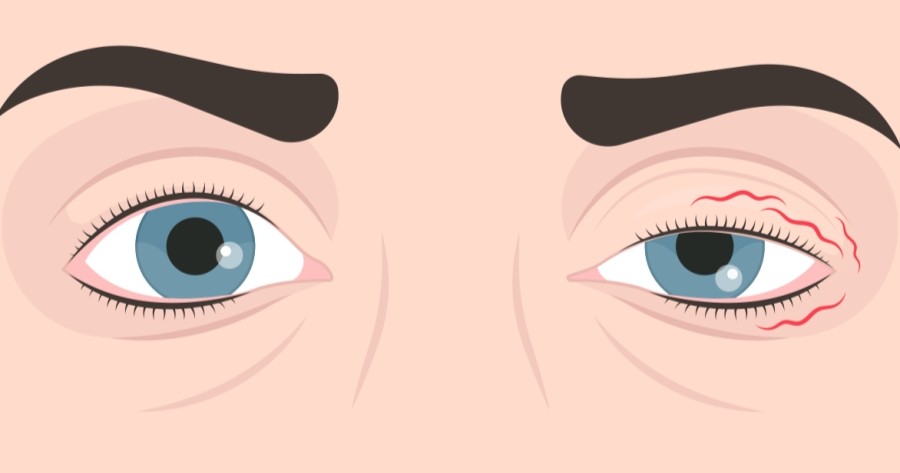
Your Eye Is Talking: The Hidden Meaning Of Left Eye Twitching!
Most Read
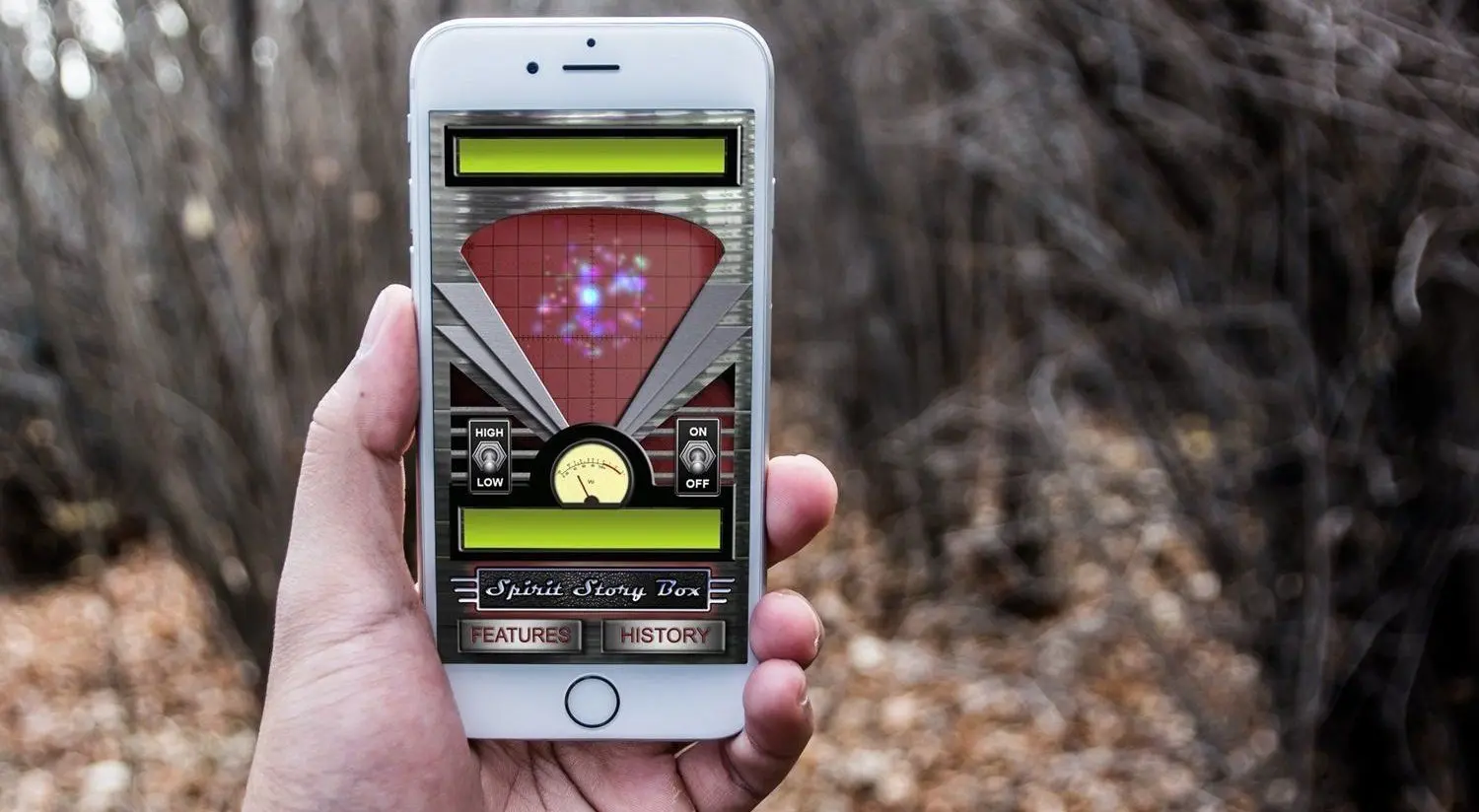
How To Hunt For Ghosts With Your Phone

How To Identify People Who Would Betray You: A Practical Guide For Ordinary People

Exploring Home Choosing Solutions For The 55+ Seniors

Is Taking The '10 Questions For 160+ IQ' Test Really Worth Your Time?

Discover The World's Most Unique Traditional Attire!