
 Hot Topic
How To Design A Classic Style Bedroom: A Complete Guide For Enthusiasts

Ready to turn your bland bedroom into a timeless, elegant space that feels both cozy and sophisticated? In this guide, you’ll discover step-by-step methods to craft a classic style bedroom that matches your personal taste, with no prior professional design experience required. You’ll walk away with a space that feels intentional, polished, and perfectly aligned with classic design principles.
How will learning classic bedroom design change how you enjoy your home? A well-executed classic design adds lasting value to your space and creates a calm retreat you’ll love coming home to for years. But it’s important to understand the core principles first, so you can avoid common missteps and get results you’re proud of.
Why Designing a Classic Style Bedroom Is Worth Your Time
- Timeless aesthetic that avoids fast trends: Unlike trendy designs that feel outdated in a few years, classic style relies on neutral palettes and traditional silhouettes that stay relevant for decades. This means you won’t have to redo your space every few years to keep it feeling fresh.
- Flexibility to add personal touches: Classic design provides a neutral, versatile foundation that lets you swap out decor pieces as your tastes change without overhauling the entire room. You can mix in vintage finds, family heirlooms, or modern accents without disrupting the cohesive look.
- Boosts home value for potential resale: Classic bedrooms have broad appeal to most home buyers, so investing in this design can potentially increase your property’s market value if you choose to sell later. Even small classic upgrades like new trim or neutral paint can make a big difference in perceived value.
- Builds transferable interior design skills: The color theory, scale balancing, and layout skills you learn for this project apply to every other room in your home, or even future design projects you take on. You’ll be able to approach any space with more confidence and a clear design framework.
Step-by-Step Guide to Designing a Classic Style Bedroom
Step 1: Map your space and define your core functional needs
Start by measuring your bedroom dimensions, noting the placement of windows, doors, outlets, and existing fixed features like built-in shelves or radiators. List non-negotiable functional needs, such as storage for clothes, a workspace nook, or extra seating for guests, to ensure your design is as practical as it is beautiful. Common mistake to avoid: Skipping exact measurements and buying furniture that is too large or small for your space, which throws off the entire room’s balance.
Step 2: Choose a neutral, warm base color palette
Classic design relies on soft, muted base colors like warm white, cream, light taupe, or soft sage for walls and large furniture pieces. Pick one main wall color, then select 2-3 complementary neutral tones for your bed frame, dresser, and other large furniture to create depth without overwhelming the space. Pro tip: Test paint samples on your walls at different times of day to see how natural and artificial light changes their tone before committing to a full coat.
Step 3: Select timeless, high-quality core furniture pieces
Invest in well-constructed core furniture with traditional silhouettes: a wooden or upholstered bed frame with clean lines, a matching dresser, and nightstands with simple, unadorned details. Prioritize solid wood or durable upholstery fabrics like linen or cotton that can withstand regular use and age well over time. Common mistake to avoid: Choosing furniture with overly ornate details or flashy finishes that clash with the understated vibe of classic design.
Step 4: Layer textiles to add warmth and visual texture
Add soft, tactile layers to keep the space feeling cozy: a high-thread-count cotton or linen bedding set, a plush area rug under the bed, and a few neutral throw pillows and a knit blanket at the foot of the bed. Stick to subtle patterns like subtle stripes, small florals, or solid textures to keep the look cohesive without feeling busy. Pro tip: Mix different textile weights, like a linen duvet with a wool throw, to create more visual interest without adding bold colors.
Step 5: Add curated classic decor and lighting fixtures
Install soft, layered lighting: a central chandelier or pendant light with a traditional design, small table lamps on nightstands for reading, and optional wall sconces next to the bed for ambient light. Hang simple, framed art or vintage mirrors on the walls, and add small decor pieces like ceramic vases, hardcover books, or vintage candle holders to complete the look. Common mistake to avoid: Cluttering surfaces with too many small decor items, which makes the space feel messy and takes away from the clean, polished classic aesthetic.
Step 6: Test, adjust, and refine your layout
Spend a few days using the space as you normally would, and note any functional issues, like hard-to-reach outlets or a bed that blocks the window opening. Move furniture or decor pieces as needed to improve flow, and swap out any elements that don’t feel quite right to make the space feel truly yours. Pro tip: Take photos of the room from different angles to spot balance issues you might miss when you’re standing inside the space.
Challenges to Be Aware Of
- Balancing authenticity with personal taste: It can be tempting to stick strictly to traditional classic design rules, but you may end up with a space that feels cold or not like your own. Take time to mix in a few personal pieces that have meaning to you, even if they don’t fit strict classic guidelines, to make the space feel lived-in and personal.
- Budget constraints for high-quality furniture: Classic design relies on durable, well-made furniture that can be more expensive than fast furniture alternatives. Start with secondhand solid wood pieces that you can refinish, or invest in one core piece at a time instead of buying all new furniture at once to stay within your budget.
- Avoiding a dated, stuffy final look: If you rely too heavily on dark wood tones and heavy fabrics, your classic bedroom can end up feeling old-fashioned instead of timeless. Mix in a few modern accents, like a sleek table lamp or abstract wall art, to keep the space feeling fresh and current.
Conclusion
You now have the foundation to start designing your classic style bedroom, with clear steps to guide you from initial planning to final decor touches. You don’t need professional training to get beautiful, long-lasting results that fit your taste and functional needs.
Designing a classic style bedroom offers the chance to create a calm, elegant retreat that you’ll enjoy for years, and by mastering these principles, you’re positioning yourself to tackle other home design projects with confidence in the future.
Don’t wait for the perfect moment. Start measuring your space and picking your base color palette today. The process of designing your ideal space is just as rewarding as seeing the final result come together.
FAQ
How long does it take to design and finish a classic style bedroom?
The timeline varies based on your budget and how much time you can dedicate to the project each week. Most enthusiasts can complete a full design and implementation in 4 to 8 weeks, including furniture shipping and small DIY projects like painting. If you are sourcing vintage or custom pieces, you may want to add an extra 2 to 4 weeks to your timeline to account for delays. Start small with paint and decor if you want to see progress faster, and work your way up to larger furniture purchases.
Do I need expensive design software or professional help to create a classic bedroom?
You don’t need any special software or professional help to design a great classic bedroom. A simple tape measure, pencil and paper, and free online room planning tools are more than enough to map out your space effectively. If you get stuck on layout choices, you can ask for feedback from other design enthusiasts in online communities for free. Start with free planning resources before investing in paid tools or design services.
What’s the best way to mix modern pieces with classic bedroom design?
Stick to classic silhouettes for your large core furniture pieces, then add modern touches with smaller decor and lighting items. For example, you can pair a traditional wooden bed frame with a sleek modern table lamp, or hang a minimalist abstract print above a classic dresser. Keep your color palette consistent across both modern and classic pieces to ensure the space feels cohesive. Test out small modern accents first before committing to larger pieces to see what works best for your space.
Can I adjust classic design principles to fit a small bedroom space?
Classic design works extremely well for small bedrooms, as its focus on clean lines and minimal clutter helps make small spaces feel larger. Opt for lighter wall colors to open up the room, choose multi-functional furniture like a dresser that doubles as a nightstand, and hang mirrors to reflect light and create the illusion of more space. Avoid oversize furniture that takes up too much floor space, and stick to just a few small decor pieces to prevent the room from feeling crowded. Test different layout options on paper first to find the most efficient setup for your small space.


RECOMMEND ARTICLES

Is A 7-Day Summer Trip To Fiji Worth Your Time And Budget In 2024?

How To Start Your Own Vibe Coding As A Beginner: Complete Step-by-Step Guide

How To Unlock Rare Skins & Free Gems In Brawl Stars: A Practical Guide For Players

How To Unlock Free VR Game Access Tricks 90% Of Players Miss

How To Buy A Cheap And Reliable Car For Seniors: A Step-by-Step Guide

✋ Palm Reading: What Will Happen In Your Future?

🎄Create Your Christmas Photo In One Second!

Read Hot Chapters About My Mate And Brother’s Betrayal Novel Online

5 Meaningful Lessons Trees Teach Us About Love And Relationships!

Top 10 Romance Novels You Can't Miss In 2025!
Most Read

How To Master Meccha Chameleon Fast: Best Hiding Spots, Pro Tips & Core Mechanics

How To Become More Powerful In EA SPORTS FC Mobile
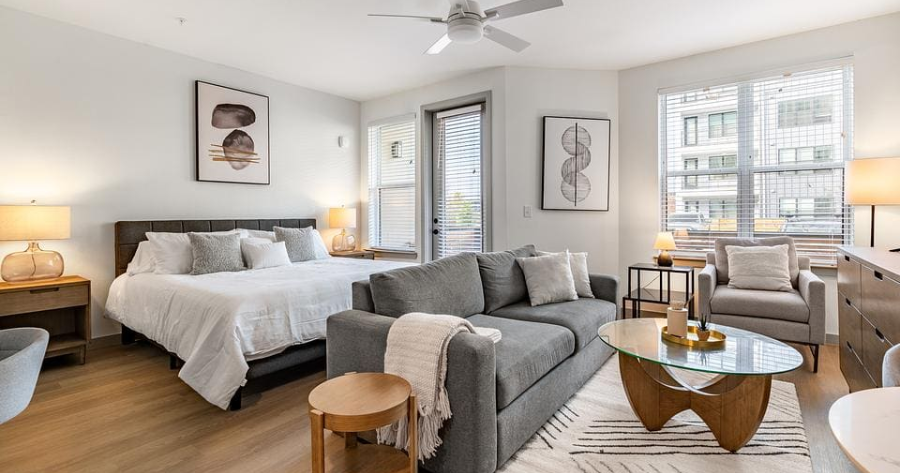
Mastering The U.S. Rental Market — From Cozy Studios To Multi-Bedroom Family Homes

How To Use The Steal A Brainrot OP Script: A Step-by-Step Guide

How To Use The Exclusive Switch-on-Phone Guide: Unlock Its Full Advantages