
 Hot Topic
How To Start Your Own Vibe Coding As A Beginner: Complete Step-by-Step Guide

Ready to dive into the fun, creative world of vibe coding without overwhelming technical jargon? In this guide, you'll discover how to turn your personal aesthetic and small project ideas into functional, expressive code even if you have zero prior programming experience. You’ll walk away with your first working vibe coding project by the end of this tutorial.
How will learning vibe coding change your creative routine? This low-pressure, style-focused coding approach lets you blend art, music, or personal interests with basic tech skills, no complex computer science degree required. But it's important to understand the core benefits first, so you can set realistic, exciting goals for your first projects.
Why Starting Vibe Coding As A Beginner Is Worth Your Time
- Low barrier to entry: You don’t need advanced math skills or expensive software to get started. Most free, beginner-friendly tools work on standard laptops, so you can start experimenting the same day you decide to try.
- Unlimited creative expression: Vibe coding focuses on personal style over perfect functionality, so you can build projects that match your favorite music, aesthetic, or hobby. You’ll never run out of unique ideas to bring to life.
- Build transferable basic coding skills: The simple logic and syntax you learn with vibe coding translates to other programming fields like web design or app development. You’ll pick up practical skills without feeling like you’re in a boring classroom.
- Shareable portfolio and community access: Finished vibe coding projects are perfect for sharing on social media or creative platforms. You can connect with other hobbyist coders, get feedback, and grow your small creative audience over time.
- Potential for in-game rewards and platform credits: Many creative coding platforms offer virtual rewards for popular, well-made projects. You can exchange these rewards for premium tools or access to exclusive community events.
Step-by-Step Guide to Starting Vibe Coding As A Beginner
Step 1: Define your core vibe and project goal
Start by picking a specific theme for your first project, like a cozy coffee shop interface, a playlist visualizer, or a pixel art animation. Narrowing your focus prevents overwhelm and helps you pick the right tools for your needs. Common mistake to avoid: Don’t try to build a huge, multi-feature project for your first attempt.
Step 2: Choose a beginner-friendly vibe coding tool
Pick a free, browser-based tool like p5.js Web Editor, Processing, or Glitch that requires no local installation. These platforms have pre-written templates and active beginner communities to help you troubleshoot early issues. Pro tip: Start with the tool that has tutorial content aligned with your chosen project vibe.
Step 3: Learn 3-5 core basic coding functions
Spend 1-2 hours learning simple functions like changing colors, adding shapes, importing images, and linking to audio files. You don’t need to memorize every command right away, just focus on the skills that directly apply to your first project. Common mistake to avoid: Don’t get stuck learning random functions that don’t serve your initial project goal.
Step 4: Build your first minimal viable version of the project
Start building your project by adding one feature at a time, starting with the most visible core element. For example, if you’re making a playlist visualizer, first add the background color and audio link before adding animations. Pro tip: Save your work every 10 minutes to avoid losing progress if your browser crashes.
Step 5: Add personal style and custom details
Once your core project works, tweak colors, add custom images, or adjust animations to match your original vibe goal. This is the step where your project stops looking like a generic template and starts feeling like your unique creation. Common mistake to avoid: Don’t add too many extra features that break the core functionality of your project.
Step 6: Test your project and make small adjustments
Test your project on different screen sizes and ask a friend to try it out to catch any obvious bugs or awkward elements. Make small tweaks based on feedback, but don’t try to make the project perfect before sharing it. Pro tip: Note down any issues you can’t fix right now to work on in your next project.
Step 7: Share your project and connect with the community
Post your finished project on coding forums, social media, or platform-specific community pages, and tag other creators who make similar vibe content. Ask for constructive feedback to get ideas for your next project. Common mistake to avoid: Don’t wait until your project is “flawless” to share it, as early feedback helps you improve faster.
Challenges to Be Aware Of
- Steep initial learning curve for basic syntax: You may feel confused by basic code structure and error messages during your first 2-3 projects. This is completely normal for new coders, and you can use free community forums and tutorial videos to work through most common issues.
- Risk of scope creep mid-project: It’s easy to get excited and add too many extra features to your first project, which can lead to burnout or an unfinished final product. Set clear feature limits before you start building, and save extra ideas for your next project.
- Difficulty standing out in the community: The vibe coding space has lots of creative creators, so your first few projects may not get much attention right away. Focus on making projects that you enjoy first, and your audience will grow gradually as you develop your unique style.
- Occasional technical tool limitations: Free browser-based coding tools have some limits on file size and advanced functionality. As you build more complex projects, you can upgrade to low-cost paid tools or learn local software to expand your capabilities.
Conclusion
You now have the foundation to start your own vibe coding journey even with zero prior programming experience. You know how to pick a project, choose the right tools, and build something that matches your personal style without unnecessary overwhelm.
Vibe coding offers a low-pressure way to blend creative hobbies with practical tech skills, and by mastering it, you're positioning yourself for fun creative opportunities and transferable skill growth. You don’t have to become a professional coder to get value out of this hobby.
Don't wait for the perfect moment. Start brainstorming your first small vibe coding project today. The learning process will have small frustrations, but the joy of finishing your first custom project makes every small step worth it.
FAQ
How long does it take to finish my first vibe coding project?
Most beginners can complete a simple, functional first project in 3-5 hours of focused work, spread out over 1-2 days. If you work on it for 30 minutes a day, you may finish in 1-2 weeks depending on how much time you spend troubleshooting. Take it at your own pace, and don’t rush through the learning process to hit an arbitrary deadline.
Do I need expensive software or a powerful computer to learn vibe coding?
You don’t need any paid software or a high-end computer for most beginner vibe coding projects. All the recommended beginner tools run directly in your web browser, and work on any standard laptop made in the last 5 years. You only need to upgrade your tools once you start building very complex, resource-heavy projects later on.
What's the best way to get past error messages I don't understand?
First, copy the exact error text and paste it into a search engine to see if other coders have posted solutions for the same issue. If you can’t find an answer, post a screenshot of your code and the error in a beginner vibe coding forum, and ask politely for help. Most community members are happy to assist new creators, as long as you share what you’ve already tried to fix the problem.
Can I turn my vibe coding skills into opportunities for platform rewards or extra projects?
You can potentially earn virtual platform credits or in-game rewards by sharing popular projects on creative coding platforms. Many small brands also hire hobbyist vibe coders to make custom interactive assets for their social media or website campaigns, as you build your portfolio. Focus on honing your unique style first, and these opportunities will come up naturally as you share more of your work.

RECOMMEND ARTICLES
Warning Signs You May Have OCD!

Read Hot Chapters Of Novel The Billionaire's Regret Online!

How To Apply For Affordable Housing Assistance For Senior Citizens And People With Disabilities

How To Design A Classic Style Bedroom: A Complete Guide For Enthusiasts
How To Do Your Own Creation With AI Supporting: A Complete Step-by-Step Guide

How To Predict Your Future By Reading Your Palm
How To Get Adopt Me Bucks And Get Rich In Adopt Me
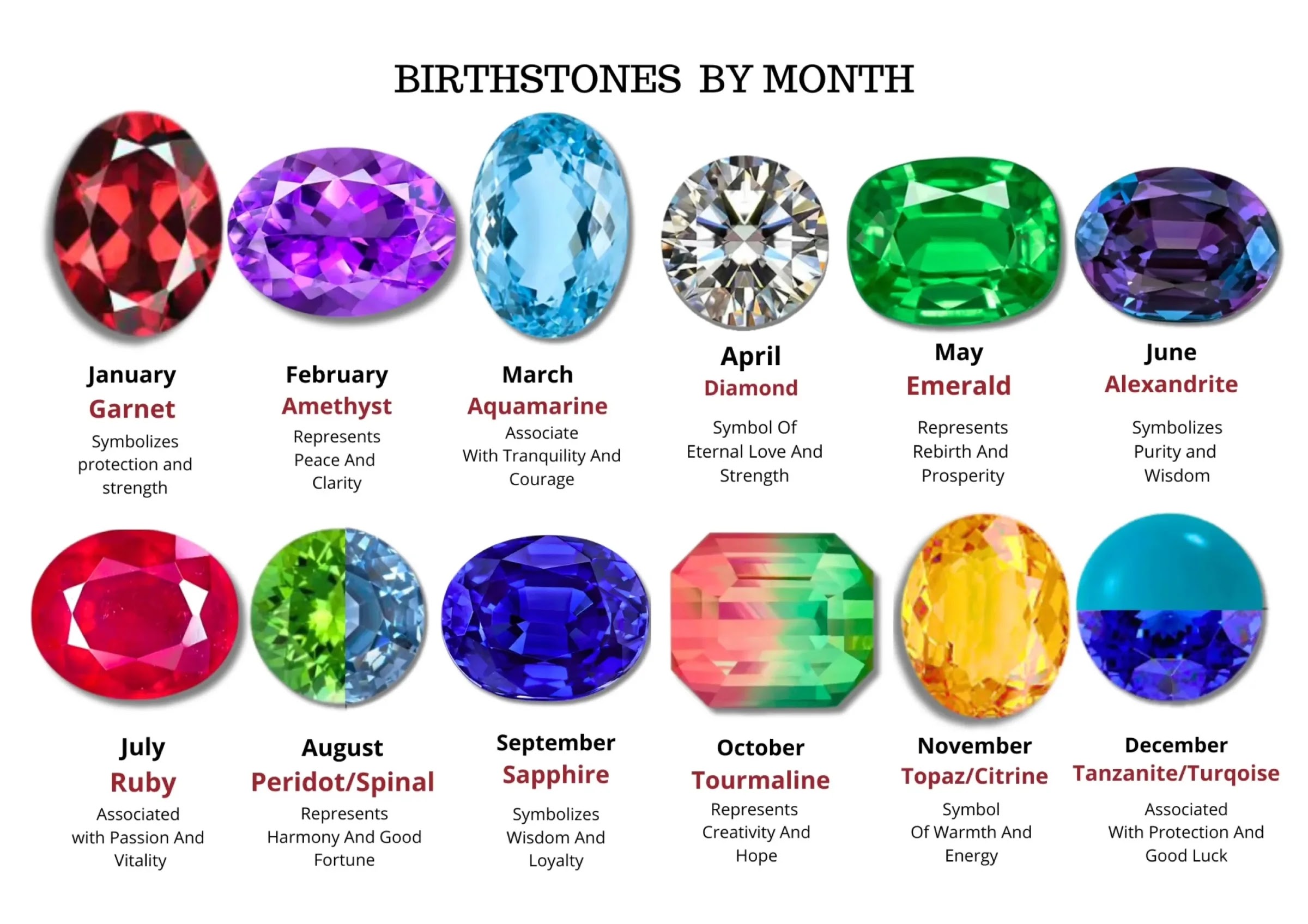
How To Uncover The Hidden Secrets Of Your Birthstone For Personal Insight
How To Build And Use A Steal A Brainrot Auto Farm: A Complete Player’s Guide
How To Master Garry’s Mod Addon Setup Tricks: A Complete Player’s Guide
Most Read
How To Get Fast Free Bonus Codes, Tickets & In-Game Rewards In Big Cash Bingo?
How To Create And Send Personalized Good Morning Greetings For Someone You Love: A Simple Guide For Seniors
How To Explore Future Face Travel In Time: A Complete Beginner Guide
Love Calculator: Test How Compatible You Are With Your Crush!
What Does Your Foot Shape Says About You?