
 Hot Topic
How To Overcome Public Speaking Anxiety With The Reframe Technique: A Practical Guide For All

Ready to stop letting public speaking anxiety hold you back from sharing your ideas? In this guide, you’ll discover how to use the reframe technique to calm nerves and deliver confident speeches, even if you get shaky before every presentation. You’ll walk away with actionable steps you can test at your next speaking opportunity.
How will the reframe technique change your speaking experience? It turns overwhelming fear into manageable energy, so you can connect with audiences instead of focusing on your own stress. But it's important to understand how to apply these steps correctly to get the best results for your specific needs.
Why Overcoming Public Speaking Anxiety with the Reframe Technique Is Worth Your Time
- Low barrier to entry: You don’t need special tools or expensive training to start using this technique. You can practice the core steps in just 10 minutes a day before your next speaking event.
- Builds long-term confidence: Regular practice of reframing reduces anxiety over time, so speaking feels less stressful each time you do it. This confidence can also carry over to other high-pressure situations in your personal and professional life.
- Improves audience connection: When you stop focusing on your own anxiety, you can engage more authentically with the people listening to you. This makes your presentations more memorable and impactful for everyone in the room.
- Transferable to other stressful scenarios: The reframe skills you learn for public speaking work for job interviews, meetings, and even difficult personal conversations. You’ll get more value from this technique than just better speaking performance.
Step-by-Step Guide to Overcoming Public Speaking Anxiety with the Reframe Technique
Step 1: Identify your specific anxiety triggers before a speaking event
Spend 5 minutes writing down all the thoughts that pop up when you think about speaking publicly. Common triggers include worries about forgetting lines, being judged, or looking nervous in front of the crowd. Writing these thoughts down makes them easier to work with, instead of letting them swirl around in your head.
Pro tip: Do this exercise at least 24 hours before your speech so you have time to process each trigger properly.
Step 2: Separate fact from exaggerated fear in your anxious thoughts
Go through each trigger you wrote down and mark which parts are actual facts, and which are your brain’s worst-case scenario guesses. For example, “I might stumble over one sentence” is a possible fact, while “Everyone will laugh at me and I’ll humiliate myself” is an exaggerated fear. This separation immediately takes away some of the power your anxious thoughts hold over you.
Common mistake to avoid: Don’t dismiss all your thoughts as irrational, as that can make you feel unheard and more stressed.
Step 3: Reframe each exaggerated thought into a balanced, realistic statement
Rewrite each exaggerated fear into a neutral or positive statement that reflects actual reality. For example, instead of “Everyone will judge me if I make a mistake,” try “Most people are focused on their own nerves, and small mistakes are barely noticeable to the audience.” These reframed statements align with real data about how audiences react to speakers.
Pro tip: Write these reframed statements on a small note you can look at right before your speech for a quick confidence boost.
Step 4: Practice reframing out loud during your speech rehearsals
As you practice your speech, pause any time an anxious thought pops up and say your corresponding reframed statement out loud. This trains your brain to automatically reach for the balanced thought instead of the fearful one when you’re in the actual speaking situation. Do this for at least 3 full rehearsals of your speech before the event.
Common mistake to avoid: Don’t rush this practice step, as repetition is what makes the reframe feel natural when you’re under pressure.
Step 5: Apply the reframe technique in real time during your speech
If you feel anxiety rising while you’re speaking, pause for half a second and remind yourself of one of your pre-written reframed statements. You can also reframe physical symptoms: instead of “My shaky hands mean I’m failing,” tell yourself “This extra energy will help me speak with more passion and enthusiasm.” This quick check-in will calm your nerves without disrupting your flow.
Pro tip: If you need a quick break, take a small sip of water while you run through your reframe statement in your head.
Step 6: Reflect and adjust your reframes after each speaking event
After your speech is done, write down which reframes worked well and which ones didn’t feel natural for you. Adjust your list of statements for your next speaking event to fit your specific triggers and speaking style. Over time, you’ll build a personalized set of reframes that work perfectly for your needs.
Challenges to Be Aware Of
- Initial inconsistent results: The reframe technique may not work perfectly the first few times you use it, as your brain is used to defaulting to anxious thoughts. Be patient with yourself, and keep practicing even if you still feel some anxiety during your first few speeches. With consistent use, the process will feel much more automatic over time.
- Dismissing genuine concerns: It can be easy to go too far and dismiss actual practical gaps in your speech, like not practicing enough, as just anxiety. Before you reframe a thought, double check if there is a practical step you can take to address the concern, like adding extra rehearsal time, to get the best results.
- Pressure to eliminate all anxiety: Many people think the goal is to feel no nerves at all before speaking, but that is not a realistic or helpful target. A small amount of nervous energy can make your speech more engaging, so reframe that small amount of nerves as a positive sign that you care about your presentation.
Conclusion
You now have the foundation to start overcoming public speaking anxiety with the reframe technique, even if you’ve struggled with speaking nerves for years. The steps are simple to learn, and you can test them out at your next small speaking opportunity, like a team meeting or casual presentation.
The reframe technique offers a low-effort, high-reward way to feel more confident when you speak, and by mastering it, you’re positioning yourself to take advantage of more personal and professional opportunities that require public speaking. You don’t have to be a perfect speaker to get huge benefits from this practice.
Don't wait for the perfect moment. Start writing down your anxiety triggers and drafting your first set of reframes today. Every small practice step will help you feel more calm and confident the next time you step up to speak.
FAQ
How long does it take to see results from the reframe technique for public speaking anxiety?
Most people notice a small reduction in anxiety after 2 to 3 practice uses of the technique, usually within a couple of weeks of regular practice. For more consistent, long-term results, plan to practice the steps for 1 to 2 months before you feel fully comfortable using it automatically in real speaking situations. Be gentle with yourself as you build this new mental habit, and celebrate small wins along the way.
Do I need any special training or tools to use the reframe technique?
You don’t need any special training, software, or paid resources to use this technique. All you need is a pen and paper to write down your triggers and reframed statements, or even a notes app on your phone if you prefer digital tools. The only requirement is a willingness to be honest with yourself about your anxious thoughts as you work through the steps. Try writing down your first set of triggers tonight to get started.
What's the best way to practice reframing if I don't have an upcoming speech?
You can practice with low-stakes speaking scenarios that make you slightly nervous, like ordering food at a busy restaurant, asking a question in a small meeting, or giving a quick update to your family. Even these small practice sessions will train your brain to use the reframe habit automatically when you have a bigger speech. Try picking one low-stakes situation this week to test out your first reframe statement.
Can I combine the reframe technique with other anxiety management strategies for public speaking?
Yes, the reframe technique works very well alongside other common anxiety management strategies, like deep breathing exercises, visualization, or gradual exposure to speaking opportunities. Many people find that combining reframing with 5 minutes of deep breathing before a speech gives the best results for calming nerves. Experiment with different combinations to find what works best for your specific anxiety triggers.


RECOMMEND ARTICLES
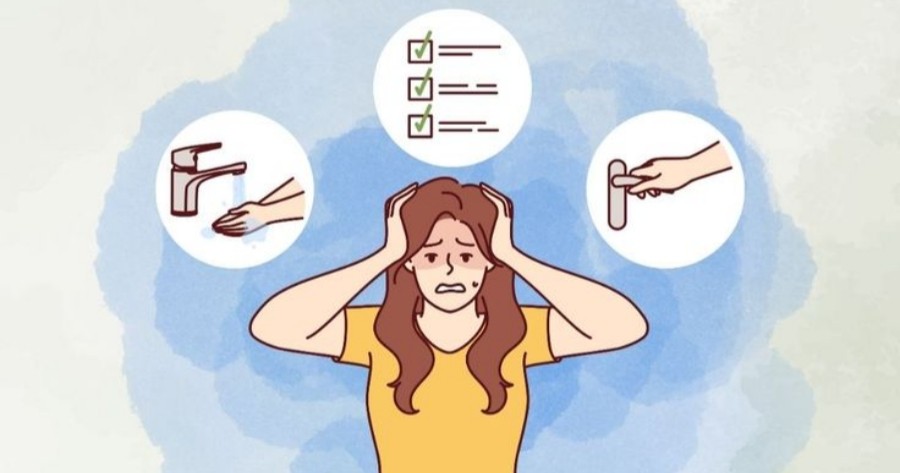
Warning Signs You May Have OCD!

How To Paint Kitchen Cabinets For A Professional, Long-Lasting Finish

How To Explore The Abandoned Anomaly Zoo & Unlock Hidden Story Cosmetic Skins: A Complete Player Guide

How To Check How Rare Your Birthday Is: A Simple Step-by-Step Guide

Is Taking The '10 Questions For 160+ IQ' Test Really Worth Your Time?

Rebirth In High School: Dumping My Jerk Husband

10 Tricks To Make Sure Clothes Will Fit Us Without Trying Them On!

How Americans Celebrate The Fourth Of July Across The Nation?

10 Unspoken Rules Of Friendship Every Adult Needs To Know!

5 Meaningful Lessons Trees Teach Us About Love And Relationships!
Most Read

The Best Tips To Become A Gorilla Tag Pro

How To Make Perfect Sourdough Starter From Scratch: Step-by-Step Beginner Guide

How To Create A Satisfactory Couple Video In ZEPETO

How To Get Free Houses, Maps, Clothes, Furniture, And Pets In Toca

How To Get Zems In Zepeto Fast And Easy: A Practical Guide For Players