
 Hot Topic
How To Stay Hydrated Throughout The Day: Practical Tips For People Who Forget To Drink Water

Want to stop feeling sluggish and foggy midday because you haven’t had a sip of water for hours? In this guide, you’ll discover simple, actionable habits to build consistent hydration into your routine, even if you always forget to reach for a glass. You’ll walk away with a personalized plan that fits seamlessly into your busy schedule.
Why should you care about building consistent hydration habits anyway? Even mild dehydration can drain your energy, worsen focus, and trigger unwanted headaches over the course of a normal day. But it’s important to understand that you don’t have to chug gallons of water at once to see benefits—small, regular sips work far better for most people.
Why Building Consistent Hydration Habits Is Worth Your Time
- Sustained daily energy levels: Even 1-2% of body weight lost to fluid can make you feel tired and less able to focus on work or daily tasks. Staying hydrated helps you maintain steady energy without relying on extra caffeinated drinks to push through slumps.
- Improved physical and cognitive performance: Hydration supports everything from joint lubrication during walks or workouts to clear thinking during meetings or study sessions. You may notice fewer brain fog moments and more consistent physical stamina throughout your day.
- Better digestive and skin health: Regular water intake supports normal digestion and can reduce issues like constipation for many people. Over time, consistent hydration may also help your skin look more plump and less dull.
- Low-effort, high-reward healthy habit: Unlike complicated diet or workout routines, building hydration habits takes very little extra time or money to implement. Small changes to your daily routine can create noticeable benefits in just a few days.
Step-by-Step Guide to Staying Hydrated When You Regularly Forget to Drink Water
Step 1: Calculate your personal daily water target
Start by getting a clear idea of how much water you actually need to drink each day. A general baseline is around half your body weight in ounces, but you can adjust this based on your activity level, local climate, and personal preferences. Write this number down where you can see it, like on your phone lock screen or fridge.
Common mistake to avoid: Don’t copy other people’s targets without adjusting for your own lifestyle, as needs vary widely between different people.
Step 2: Pick accessible, preferred water containers you actually like
You are far more likely to drink water if your bottle or glass is easy to reach and feels nice to use. Choose a container that fits in your work bag, cup holder, or desk space, and pick a style or color that makes you happy to pick it up. Keep one container at your desk, one in your bag, and one next to your bed to eliminate access barriers.
Pro tip: If you hate the taste of plain water, add small slices of fruit, cucumber, or mint to give it a subtle, pleasant flavor.
Step 3: Link water sips to existing daily routine triggers
The easiest way to build a new habit is to attach it to something you already do every day without thinking. Take a sip of water right after you brush your teeth, before you answer a work email, after you finish a meeting, or before you open your social media apps. These small trigger points will remind you to drink without you having to actively remember.
Common mistake to avoid: Don’t wait until you feel thirsty to drink, as thirst is already a sign of early dehydration.
Step 4: Set low-stakes reminders to check in on your intake
Set simple, non-intrusive reminders throughout the day to prompt you to take a sip. You can use phone alerts, sticky notes on your computer, or even smart watch notifications that pop up every 1-2 hours. Keep the reminders friendly, not stressful, so they don’t feel like a chore you have to check off.
Pro tip: If you work at a desk, keep your water bottle on your desk within arm’s reach instead of on a shelf across the room.
Step 5: Track your intake in a simple, low-effort way
Find a tracking method that feels easy for you to stick to long term. You can mark lines on your water bottle with time targets, use a basic phone app, or even just make tally marks on a piece of paper at your desk. You don’t need to track every single sip forever, but doing it for the first 1-2 weeks will help you see patterns in when you usually forget to drink.
Step 6: Adjust your routine for special circumstances
Make small changes to your hydration plan for days that don’t follow your normal routine. If you’re exercising, traveling, or working outside in hot weather, add an extra glass of water before you start the activity. If you’re drinking coffee or alcohol, pair each of those drinks with a small glass of water to balance out their diuretic effects.
Challenges to Be Aware Of
- Busy schedule disruptions: Back-to-back meetings, travel, or unexpected urgent tasks can easily throw off your new hydration routine if you don’t plan ahead. Keep a spare water bottle in your bag or car at all times, and give yourself grace if you miss your target on extra busy days, instead of abandoning the habit entirely.
- Dislike of plain water taste: Many people struggle to drink enough water because they find the taste boring or unappealing. You can fix this by adding small amounts of natural flavor like citrus, berries, or herbal infusions, or alternating between plain water and unsweetened sparkling water for variety.
- Frequent bathroom trips as a barrier: Some people avoid drinking enough water because they don’t want to have to get up to use the bathroom often, especially at work. This usually gets better after a few weeks as your body adjusts to consistent hydration, and you can adjust your intake slightly in the hours before long meetings or commutes if needed.
Conclusion
You now have the foundation to start building consistent hydration habits that fit your unique schedule and preferences, even if you’ve always struggled to remember to drink water in the past. These simple steps don’t require big lifestyle overhauls, and you can start implementing them as soon as today.
Staying properly hydrated offers a wide range of small but meaningful benefits for your energy, focus, and overall physical comfort, and by mastering these small habits, you’re positioning yourself for more consistent well-being every single day. You don’t have to hit your target perfectly every day to see positive changes over time.
Don’t wait for the perfect moment. Start by grabbing a glass of water right now, and pick one routine trigger to link your first sip to tomorrow. The small, consistent steps you take over the next few weeks will turn hydration into an automatic habit you don’t even have to think about.
FAQ
How long does it take to build a consistent hydration habit?
Most people start to see hydration feel automatic after 2-4 weeks of consistent practice, depending on how regularly you stick to your trigger points and reminders. The first week will feel the most effortful, as your brain gets used to the new routine. Be patient with yourself, and celebrate small wins like hitting your target two days in a row to keep motivation high.
Do I need any special equipment to start these hydration habits?
You don’t need any fancy smart bottles or expensive tools to build better hydration habits at all. Any reusable water bottle or glass you already have at home works perfectly for this routine. If you want to make it easier, you can pick up an inexpensive marked water bottle, but that is completely optional. Start with what you already have to avoid unnecessary cost or delays.
What’s the best way to stay hydrated if I hate the taste of plain water?
There are lots of simple ways to make water taste better without adding extra sugar or calories. Try adding thin slices of lemon, lime, cucumber, berries, or a small sprig of mint to your water for subtle, natural flavor. You can also alternate between plain water and unsweetened sparkling water or herbal iced tea to mix up the texture and taste. Experiment with different combinations until you find something you enjoy drinking regularly.
Can I adjust my water intake if I have a medical condition that affects fluid needs?
If you have a pre-existing medical condition like kidney disease, heart issues, or another condition that affects your recommended fluid intake, always check with your doctor first before changing your hydration routine. They can help you set a safe, personalized target that works for your specific health needs. Once you have that guidance, you can still use the habit-building tips in this guide to hit your recommended intake consistently.


RECOMMEND ARTICLES

How To Give Constructive Feedback To A Colleague Without Being Awkward: A Practical Guide

How To Start A Daily Journaling Practice For Better Mental Clarity

How To Create A 10-Minute Bedtime Routine For Better Sleep Quality

How To Repair A Small Hole In Drywall: A Step-by-Step Beginner’s Guide
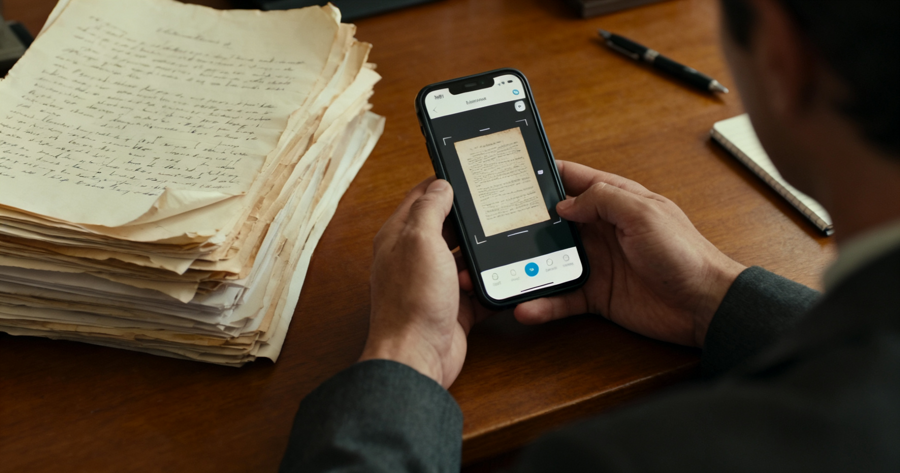
How To Digitize Your Old Paper Documents Using Only Your Smartphone

How To Overcome Public Speaking Anxiety With The Reframe Technique: A Practical Guide For All

How To Practice Mindfulness Meditation For Just Five Minutes A Day

How To Build A Sustainable Reading Habit (And Finish One Book A Week)
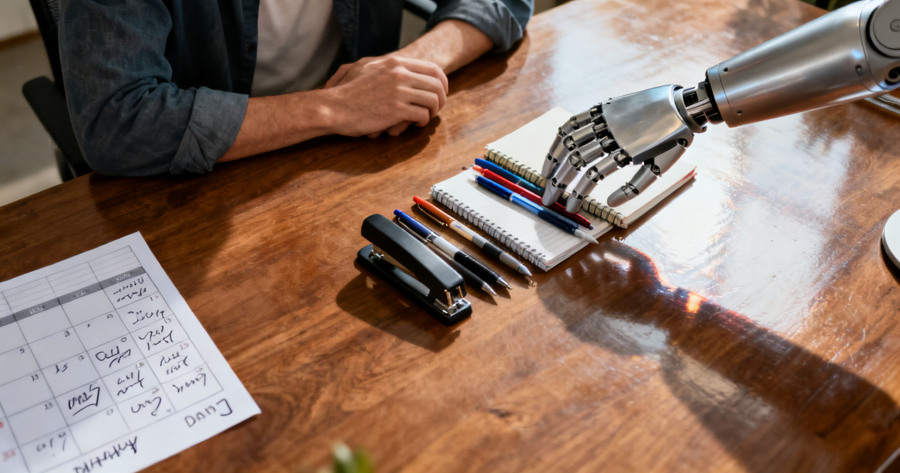
How To Overcome Decision Fatigue By Automating Your Daily Choices

How To Use AI Prompt Engineering To Automate Your Daily Workflow
Most Read

A Rebel's Destiny: Reviewing The Defiant Mate!

How To Hang Heavy Pictures Without Damaging Your Walls: Complete Step-by-Step Guide

How To Collect All Key Shards & Unlock Free Exclusive Weapon & Monster Skins In Zoonomaly

How To Add A NONG Song To Your Level In Geometry Dash

How To Earn Coins Quickly In Grow A Garden: A Step-by-Step Guide