
 Hot Topic
How To Create A 10-Minute Bedtime Routine For Better Sleep Quality

Ready to stop tossing and turning all night and wake up feeling refreshed every morning? In this guide, you’ll discover how to build a simple 10-minute pre-bed routine that fits easily into any busy schedule, with no fancy tools or complicated steps required. You’ll walk away with actionable habits to improve your sleep quality starting tonight.
Why should you care about a short pre-bed routine, anyway? Even a small, consistent nightly ritual can signal to your body that it’s time to wind down, reduce nighttime wake-ups, and boost your daytime energy levels. But it's important to understand which habits actually work, so we’ll break down every part clearly for you.
Why Building a 10-Minute Bedtime Routine Is Worth Your Time
- Low time commitment: You only need 10 minutes each night, so you don’t have to rearrange your entire evening schedule to make it work. It fits perfectly even if you work late, care for family, or have other evening obligations.
- Consistent, noticeable results: Most people start experiencing deeper, less interrupted sleep within 1 to 2 weeks of sticking to the same routine. You won’t have to wait months to feel the difference in your daily energy.
- No specialized tools required: All the steps we cover use items you likely already have at home, like a phone, a book, or basic skincare products. You won’t need to spend extra money to get started.
- Transferable stress relief benefits: The calming habits you build for your bedtime routine can also help you decompress during stressful days outside of your evening schedule. You can use the same breathing or stretching techniques whenever you feel overwhelmed.
Step-by-Step Guide to Creating Your 10-Minute Bedtime Routine
Step 1: Prep your sleep space 2 minutes before your routine starts
Dim the main lights in your bedroom and set your thermostat to between 60 and 67 degrees Fahrenheit, the optimal range for deep sleep. Close your curtains to block out street lights or early morning sun that could disrupt your rest later. Common mistake to avoid: Don’t leave bright overhead lights on while you complete your routine, as this can suppress your natural melatonin production.
Step 2: Turn on do-not-disturb mode on all your devices
Swipe into your phone settings to activate do-not-disturb, and place your phone face down or in a drawer at least 3 feet away from your bed. Blue light from screens slows down melatonin production, so this step helps your body prepare to fall asleep faster. Pro tip: If you use your phone as an alarm, switch it to grayscale mode to reduce stimulation if you have to check it at night.
Step 3: Complete a 2-minute gentle stretching sequence
Stand or sit at the edge of your bed to do simple stretches: neck rolls, shoulder shrugs, child’s pose, and gentle hamstring stretches. These movements release physical tension you’ve built up during the day without raising your heart rate. Common mistake to avoid: Don’t do intense exercise like HIIT or weightlifting right before bed, as this will make it harder to fall asleep.
Step 4: Spend 3 minutes on a low-effort calming activity
Pick one quiet activity that requires no screen time: read a physical book, write down 3 small wins from your day in a journal, or listen to soft instrumental music. Pick something you enjoy, so you’ll look forward to your routine instead of seeing it as a chore. Pro tip: Avoid work documents, tense news stories, or exciting fiction that could make your mind race.
Step 5: Practice 2 minutes of box breathing before getting into bed
Sit comfortably and breathe in for 4 counts, hold for 4 counts, breathe out for 4 counts, and pause for 4 counts, repeating the cycle for the full 2 minutes. This breathing technique lowers your cortisol levels and calms your nervous system, helping you drift off faster. Once you finish, climb into bed and avoid any additional activities to keep the routine consistent.
Challenges to Be Aware Of
- Inconsistency in the first week: It’s normal to forget parts of your routine or skip days when you have unusual evening plans, like a late work event or family gathering. If you miss a night, just start again the next evening instead of abandoning the routine entirely. Even 4 to 5 days a week of consistent practice will deliver noticeable results.
- Initial resistance to putting away devices: You may feel tempted to scroll social media or answer work messages right up until you get into bed, especially if you’re used to using your phone in the evening. Try replacing 1 minute of scrolling with your calming activity first, then gradually increase the time to build the habit.
- Pre-existing sleep issues affecting results: If you have chronic insomnia or an undiagnosed sleep disorder like sleep apnea, a 10-minute routine may not resolve all your sleep concerns on its own. You can pair this routine with a visit to a healthcare provider to address more serious sleep-related issues.
Conclusion
You now have the foundation to start building your 10-minute bedtime routine and improve your sleep quality with minimal time and effort. You don’t need any special skills or supplies to get started, so you can test out the steps as early as tonight.
A short, consistent bedtime routine offers the chance to enjoy deeper sleep, higher daytime energy, and lower overall stress, without adding extra work to your already busy schedule. By sticking to the simple steps we covered, you’re positioning yourself for long-term improvements to both your sleep and overall well-being.
Don’t wait for the perfect moment. Start with the first step of prepping your sleep space tonight, and adjust the routine to fit your preferences as you go. Small, consistent nightly choices will lead to big improvements in how you feel every single day.
FAQ
How long does it take to see results from a 10-minute bedtime routine?
Most people notice less nighttime restlessness and easier time falling asleep within 7 to 10 days of sticking to the routine consistently. It may take up to 2 weeks to feel the full effect of improved daytime energy and fewer morning grogginess episodes. Be patient and stick to the same schedule as much as possible, even on weekends, for the fastest results.
Do I need any special products to build this routine?
No, you don’t need any special pillows, sleep supplements, or tech gadgets to follow this routine. All the steps use items you likely already have at home, like a book, journal, or your existing phone settings. If you want to add optional extras like essential oil diffusers, you can, but they are not required to get good results.
What's the best way to adjust the routine if I work a night shift?
Stick to the same sequence of steps, but complete them right before you go to sleep, even if that’s during the daytime. Use blackout curtains to block sunlight from your bedroom, and keep your space cool and quiet just like you would for a nighttime sleep schedule. Try to keep your sleep and wake times consistent even on your days off to keep your body clock regulated.
Can I add extra steps to the routine to fit my personal preferences?
Yes, you can add 1 to 2 short personal steps like a quick skincare routine, sipping a warm cup of herbal tea, or saying a short gratitude practice, as long as you keep the total routine to 10 minutes or less. Avoid adding steps that involve screens or high-energy activities, as these will counteract the calming effect of the routine. Test out small adjustments to find what works best for you.


RECOMMEND ARTICLES

How To Take Professional-Looking Photos With Your Smartphone: Easy Step-by-Step Guide

How To Choose The Right Running Shoes For Your Foot Type

How To Start A Daily Journaling Practice For Better Mental Clarity

How To Perfect Your Squat Form To Prevent Knee And Back Pain

How To Stay Hydrated Throughout The Day: Practical Tips For People Who Forget To Drink Water

How To Repair A Small Hole In Drywall: A Step-by-Step Beginner’s Guide

How To Plan A Budget-Friendly Road Trip Without Missing The Best Sights
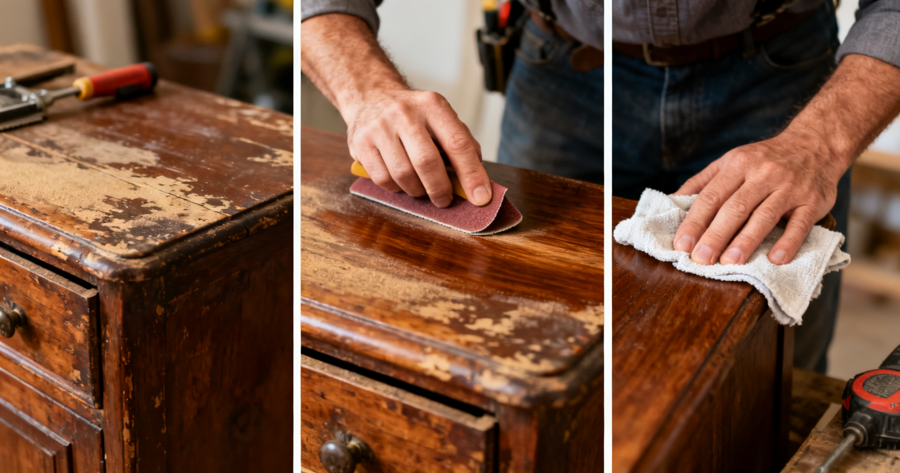
How To Restore Old Wooden Furniture With Basic Sanding And Polishing

How To Build A Sustainable Reading Habit (And Finish One Book A Week)

How To Set Up A Minimalist Digital Workspace To Boost Focus
Most Read

A Rebel's Destiny: Reviewing The Defiant Mate!

How To Digitize Your Old Paper Documents Using Only Your Smartphone

Is It Worth To Buy A Private Jet For General Users?

How To Use CatTranslator - Cat To Human App To Understand Your Feline Friend

Indian Culture Unveiled: Some Facts You Need To Know!