
 Hot Topic
How To Declutter Your Entire Closet In One Afternoon: A Practical Step-by-Step Guide

Ready to turn your messy, overflowing closet into an organized, easy-to-navigate space in just a few hours? In this guide, you'll discover simple, actionable steps to sort, clear, and arrange every item in your closet without spending days on the project. You'll walk away with a functional space that makes getting dressed each morning far smoother.
How will a one-afternoon closet declutter change your daily routine? You'll cut down on time spent searching for clothes, reduce stress from messy surroundings, and make room for items you actually wear. But it's important to understand that this process works best when you stick to the plan and avoid getting sidetracked by old memories mid-sort.
Why Decluttering Your Closet in One Afternoon Is Worth Your Time
- Low time commitment for big results: You don't need to set aside an entire weekend to see a noticeable improvement in your space. A single focused afternoon is enough to completely transform how your closet functions.
- Reduced daily decision fatigue: With a curated, organized closet, you won't waste time sifting through items you never wear when picking out outfits each day. This small change can make your morning routine feel far calmer and more efficient.
- Opportunity to rediscover forgotten items: As you sort through your closet, you may find pieces you loved but haven't worn in months, giving you new outfit options without purchasing anything new.
- Easy to maintain long-term: When you complete the process in one go, you can set up simple organizational systems that take just a minute or two to uphold each week. You won't have to re-do a half-finished project later.
Step-by-Step Guide to Decluttering Your Entire Closet in One Afternoon
Step 1: Prep your supplies and set a time limit
Grab four large bins or bags labeled "keep," "donate," "repair," and "discard" before you start, and set a 4-hour timer to stay on track. Having designated containers prevents you from moving items around without making clear decisions, and the timer keeps you from overthinking each choice. Common mistake to avoid: Don't pull out extra cleaning supplies or start rearranging furniture before you begin sorting, as this will waste valuable time.
Step 2: Empty the entire closet completely
Take every single item out of your closet, including clothes, shoes, accessories, and stored items on the top shelf, and pile them on your bed or a clean floor. Starting with a completely empty space lets you assess the full storage capacity of your closet and makes it easier to sort items objectively. Pro tip: Work in small sections if the pile feels overwhelming, starting with hanging clothes before moving to shelves and drawers.
Step 3: Sort every item into your four categories
Pick up each item one at a time, and ask yourself if you have worn it in the past 12 months to decide which category it belongs in. Be honest with your choices: if an item doesn't fit, is out of style, or doesn't make you feel good, it belongs in the donate or discard pile. Common mistake to avoid: Don't hold onto items just because they were expensive or were a gift, as this will leave you with a closet full of pieces you never use.
Step 4: Clean the empty closet space
Wipe down shelves, vacuum the floor, and dust hanging rods while the closet is completely empty, before you put any items back. A clean base makes your newly organized closet feel fresh and prevents dirt or dust from getting on your freshly sorted clothes. Pro tip: This is a great time to add small organizational tools like shelf dividers or shoe racks if you have them on hand.
Step 5: Put the "keep" items back in an organized layout
Hang or fold your keep items by category, such as tops, pants, and dresses, and group similar colors or styles together for easy access. Place items you wear most often at eye level or within easy reach, and store off-season pieces on higher shelves or in storage bins. Common mistake to avoid: Don't overstuff your closet as you put items back; leave a small amount of empty space to make it easy to pull out and put back clothes each day.
Step 6: Dispose of the other categories immediately
Take the donate bag to your car to drop off at a local thrift store soon, throw away the discard bag right away, and place the repair bin in a visible spot near your front door. Dealing with these items immediately prevents you from putting them back in your closet and undoing all your hard work. Pro tip: Set a 2-week reminder to fix the items in your repair bin, and donate anything you haven't fixed when the reminder goes off.
Challenges to Be Aware Of
- Decision fatigue mid-sort: After sorting for a couple of hours, you may start to feel tired and struggle to make clear choices about what to keep or donate. Set 10-minute breaks every hour to stretch and hydrate, and remind yourself that you don't have to make perfect choices to get great results.
- Emotional attachment to old items: You may come across pieces with sentimental value that you haven't worn in years, which can slow down your progress. If you're unsure about an item, put it in a temporary storage bin marked with a 3-month date, and donate it if you haven't worn it by that time.
- Temptation to rearrange mid-project: You might get ideas for new closet layouts or want to shop for organizational tools before you finish sorting. Save those ideas for after you complete the declutter, so you don't lose focus on finishing the core task in one afternoon.
Conclusion
You now have the foundation to start decluttering your entire closet in one afternoon, no special tools or prior experience required. The steps we outlined are designed to be flexible enough to work for any closet size, from small apartment closets to large walk-in spaces.
Decluttering your closet in one afternoon offers the chance to simplify your daily routine and create a calmer home environment with minimal time investment. By following this plan, you're positioning yourself to enjoy a functional, organized space that works for your lifestyle, not against it.
Don't wait for the perfect weekend or extra free time. Start gathering your four sorting bins today. Even small, intentional steps will help you create the tidy closet you've been wanting in just a few hours.
FAQ
How long does it actually take to declutter an average closet using this method?
Most people with standard-sized closets can complete the entire process in 3 to 4 hours, depending on how many items they have stored. Larger walk-in closets may take an extra 30 to 60 minutes if you have a large collection of clothes or accessories. Work at your own pace, and don't rush through sorting to avoid making choices you'll regret later.
Do I need any special organizational tools to complete this project?
You don't need any fancy tools to get started: four regular trash bags or cardboard bins work perfectly for sorting your items. Basic cleaning supplies like a cloth and vacuum are all you need to clean the empty closet space. You can add shelf dividers or hanging organizers later if you want, but they are not required to complete the declutter.
What's the best way to decide if I should keep or donate an item?
Ask yourself two simple questions: have I worn this item in the past 12 months, and does it make me feel confident when I put it on? If the answer to either question is no, the item is a good candidate for donation. For pieces you're unsure about, put them in a temporary bin and check back in 3 months to see if you've reached for them.
Can I use this method to declutter other areas of my home besides my closet?
The same sort, clear, and replace framework works for almost any small to medium storage space in your home, including dressers, pantry shelves, and entryway closets. You can adjust the time limit and sorting categories to fit the specific space you're working on. Start with your closet first to get comfortable with the process, then try it on other messy areas of your home.


RECOMMEND ARTICLES

How To Relieve Eye Strain Caused By Too Much Computer Use: A Practical Guide For Everyone

How To Start A Daily Journaling Habit For Better Clarity

How To Hang Heavy Pictures Without Damaging Your Walls: Complete Step-by-Step Guide
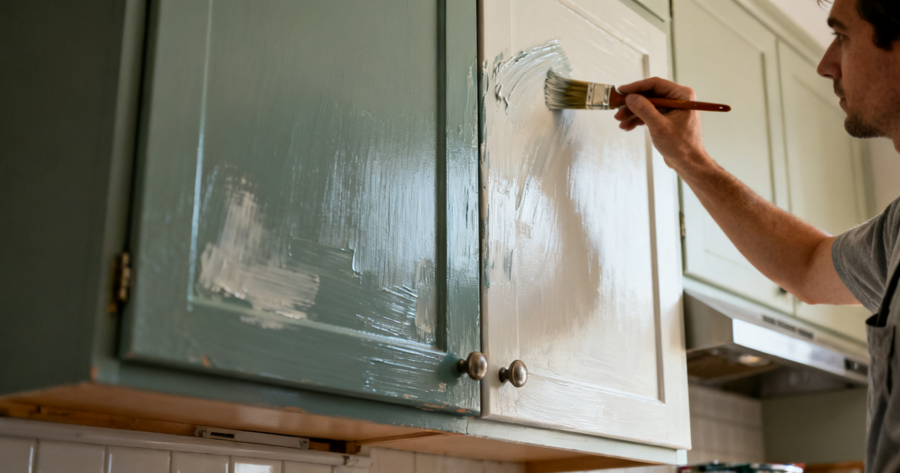
How To Paint Kitchen Cabinets For A Professional, Long-Lasting Finish

How To Master Basic Hand Sewing Stitches For Clothing Repair
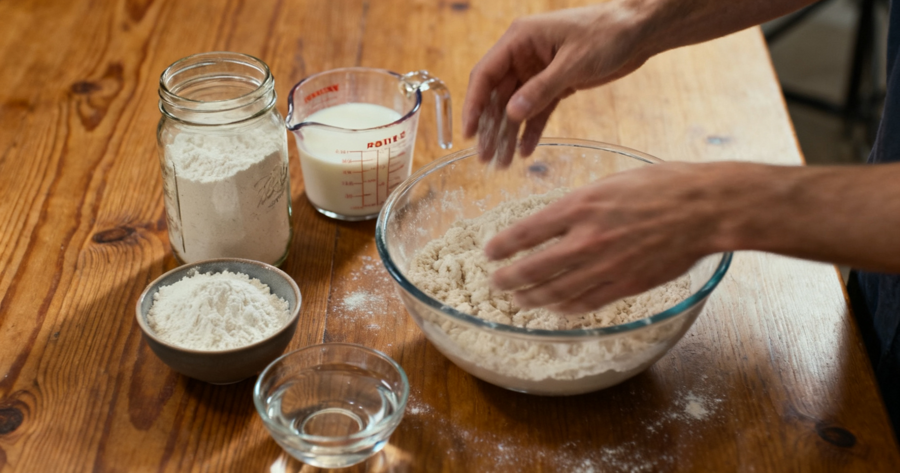
How To Make Perfect Sourdough Starter From Scratch: Step-by-Step Beginner Guide
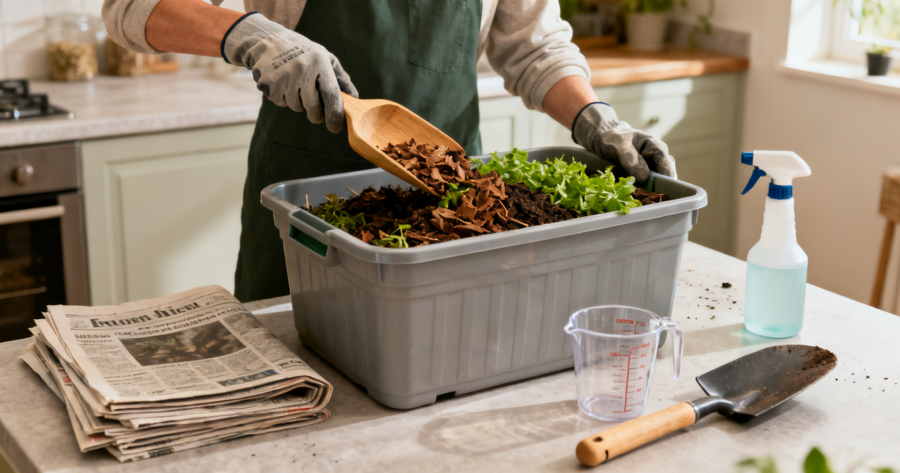
How To Make Your Own Compost At Home Without The Smell: A Simple Step-by-Step Guide

How To Revive A Dying Houseplant: 5 Essential Steps For New Plant Owners

How To Restore Scratched Wood Furniture Using A Walnut: Easy Step-by-Step Guide

How To Remove Hard Water Stains From Glass Shower Doors: A Simple, No-Harsh-Chemicals Guide
Most Read

Keys To The Soul: Exploring Their Hidden Spiritual Meanings!
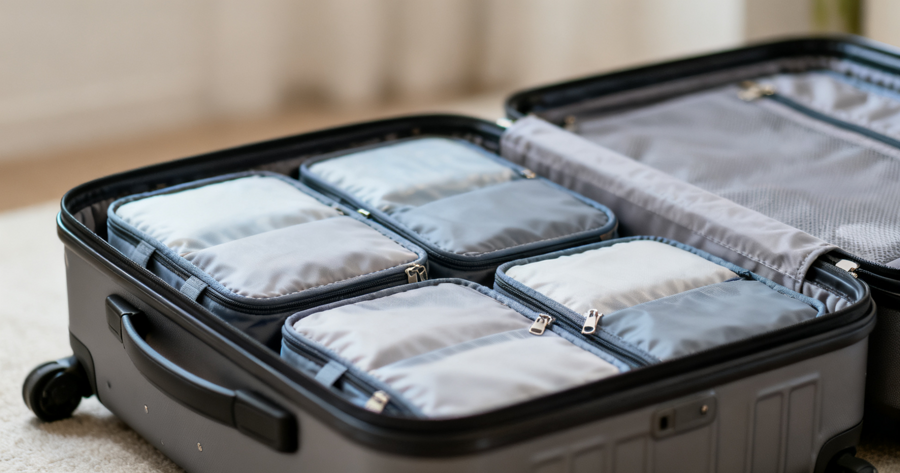
How To Pack A Carry-On Bag For A Two-Week Trip Using Packing Cubes

How To Make Money Fast In Sims 4 Without Cheats

Take The FaceZone Filter Test To See How Others See You

How To Create A Heartfelt Greeting Card For Someone You Miss: A Simple Guide For Seniors