
 Hot Topic
How To Make Your Own Compost At Home Without The Smell: A Simple Step-by-Step Guide

Ready to turn your kitchen scraps and yard waste into nutrient-rich plant food without the stinky mess? In this guide, you’ll discover exactly how to build and maintain a compost pile that stays fresh, even in small outdoor or indoor spaces. By the end, you’ll have all the tools to create homemade compost that feeds your garden and cuts down on household waste.
Why should you care about making odor-free compost at home? Homemade compost boosts your plant health, cuts down on grocery store soil costs, and reduces the amount of waste you send to landfills. But it's important to understand the right balance of materials and maintenance steps to avoid the unpleasant smells that turn many people away from this sustainable practice.
Why Making Odor-Free Compost At Home Is Worth Your Time
- Low cost, high reward: You only need common household waste and basic supplies to get started, no expensive equipment required. This makes it accessible for renters, homeowners, and casual gardeners alike.
- Eco-friendly waste reduction: You can divert up to 30% of your household trash from landfills by composting food and yard scraps. This cuts down on methane emissions from decomposing waste in landfill environments.
- Nutrient-dense soil for your plants: Homemade compost adds natural, balanced nutrients to garden beds, potted plants, and lawns that store-bought fertilizers often can’t match. You may notice healthier growth and more resilient plants after just a few uses.
- Flexible for small spaces: You don’t need a huge backyard to make odor-free compost, as compact bin designs work for balconies, patios, and even under kitchen sinks. This means almost anyone can fit a compost system into their living space.
Step-by-Step Guide to Making Odor-Free Compost At Home
Step 1: Pick the right compost bin for your space
Choose a bin that fits your available area: a tumbler bin for small patios, a wire bin for backyards, or a compact worm bin for indoor use. Make sure it has adequate airflow to prevent excess moisture buildup, which is one of the top causes of bad odors. Common mistake to avoid: Don’t use a fully sealed bin without ventilation holes, as it will trap moisture and cause rotting smells quickly.
Step 2: Balance your green and brown waste materials
Collect "green" nitrogen-rich materials like fruit scraps, vegetable peels, coffee grounds, and fresh grass clippings. Collect "brown" carbon-rich materials like dry leaves, cardboard, newspaper, and sawdust from untreated wood. Aim for a 1:3 ratio of green to brown waste to create the ideal environment for decomposition without odor. Pro tip: Chop larger scraps into small pieces to speed up decomposition and reduce the risk of rotting pockets.
Step 3: Layer your materials correctly in the bin
Start with a 4-inch layer of coarse brown material like twigs or straw at the bottom of the bin to improve drainage and airflow. Alternate 2-inch layers of green waste and 6-inch layers of brown waste, lightly moistening each layer as you go. The pile should feel as damp as a wrung-out sponge, not soggy, to prevent bad smells.
Step 4: Turn your compost pile regularly every 3 to 7 days
Use a pitchfork or the tumbler handle to mix your pile thoroughly once every few days. This introduces fresh oxygen to the decomposing bacteria, speeds up the process, and prevents compacted, smelly pockets from forming. Common mistake to avoid: Don’t skip turning for more than two weeks, as anaerobic (oxygen-free) decomposition will start and produce a strong rotten egg smell.
Step 5: Monitor moisture and add browns if you notice odor
Check your pile each time you turn it, and add extra brown materials if it feels too soggy or starts to smell. If it feels too dry, spritz it with a small amount of water to keep the decomposition process active. You can also add a thin layer of soil or finished compost on top of new scraps to contain any mild smells.
Step 6: Harvest your finished compost when it’s ready
Your compost is done when it turns dark, crumbly, and smells like fresh earth, usually after 2 to 6 months depending on your bin type and climate. Sift out any large, un-decomposed pieces and add them back to your new pile to break down further. Use the finished compost in your garden beds, potted plants, or lawn for a natural nutrient boost.
Challenges to Be Aware Of
- Initial balance adjustment: It can take a few weeks to get the right ratio of green and brown materials for your specific waste output, and you may experience mild smells as you learn. If you notice a rotten smell, add more brown material and turn the pile more frequently to fix the issue quickly.
- Seasonal material availability: In winter or rainy seasons, you may have less access to dry brown materials like leaves, which can make it harder to keep your pile balanced. Save and store dry leaves, cardboard, and newspaper in a separate bin during dry months to have a supply ready for wet or cold seasons.
- Time to produce finished compost: Decomposition takes time, and you won’t have usable compost for at least a couple of months after starting your pile. You can speed up the process by chopping scraps smaller, turning more frequently, and keeping your pile at the right moisture level.
Conclusion
You now have the foundation to start making your own odor-free compost at home, no matter how much space you have. You know the right material balance, maintenance steps, and fixes for common issues that cause bad smells, so you can avoid the most frustrating parts of composting.
Making odor-free compost at home offers a simple, sustainable way to reduce waste and improve your garden health for almost no cost. By sticking to the steps in this guide, you’re positioning yourself to create consistent, high-quality compost that benefits your plants and the planet.
Don't wait for the perfect moment. Start collecting your vegetable scraps and dry brown materials today. You’ll be surprised how easy it is to maintain a fresh-smelling compost pile, and your garden will thank you for the nutrient boost.
FAQ
How long does it take to make finished odor-free compost at home?
The timeline usually ranges from 2 months for a frequently turned tumbler bin to 6 months for a stationary backyard pile. Chopping scraps into small pieces and maintaining the right green-to-brown ratio can cut this time down by a few weeks. Be patient, and check your pile every time you turn it to track its progress.
Do I need a big backyard to make odor-free compost?
No, you don’t need a backyard at all to make odor-free compost. Compact tumbler bins fit on most small balconies, and worm composting bins work well under kitchen sinks for apartment dwellers. Just make sure your chosen bin has proper ventilation to prevent moisture buildup and smells.
What's the best way to fix a smelly compost pile?
First, stop adding green waste temporarily and mix in extra dry brown materials like leaves, cardboard, or newspaper. Turn the pile thoroughly to introduce fresh oxygen and break up any soggy, compacted sections. If the pile is very wet, you can also leave the lid off for a few hours to let excess moisture evaporate before replacing it.
Can I use odor-free compost for indoor potted plants?
Yes, properly finished odor-free compost is perfect for indoor potted plants, as it adds natural nutrients without harsh chemical additives. Mix 1 part compost with 3 parts regular potting soil to avoid over-fertilizing sensitive indoor plants. You can also use it as a top dressing for existing potted plants to give them a slow-release nutrient boost.


RECOMMEND ARTICLES

How To Read Nutrition Labels To Identify Hidden Sugars: A Practical Guide For Everyone

How To Start A Daily Journaling Habit For Better Clarity
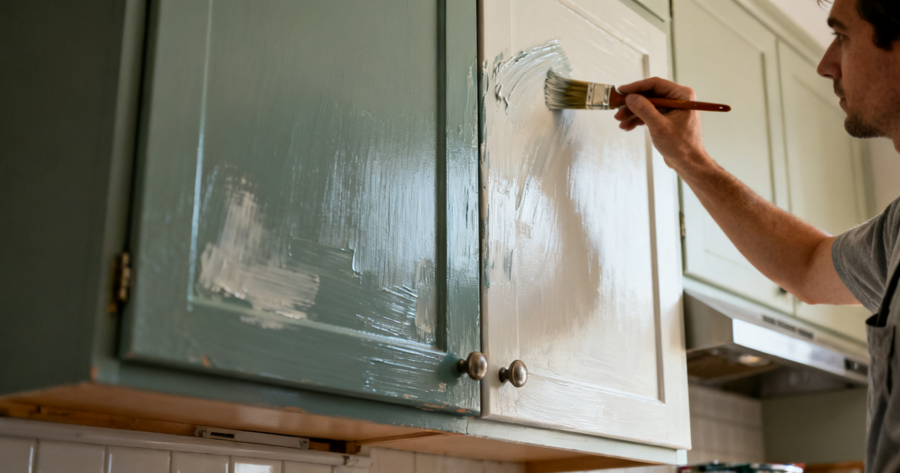
How To Paint Kitchen Cabinets For A Professional, Long-Lasting Finish
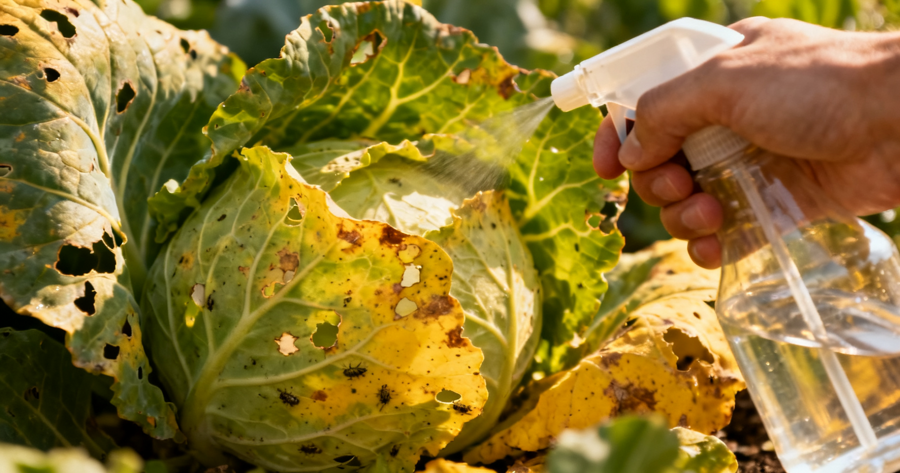
How To Identify And Treat Common Pests In Your Vegetable Garden
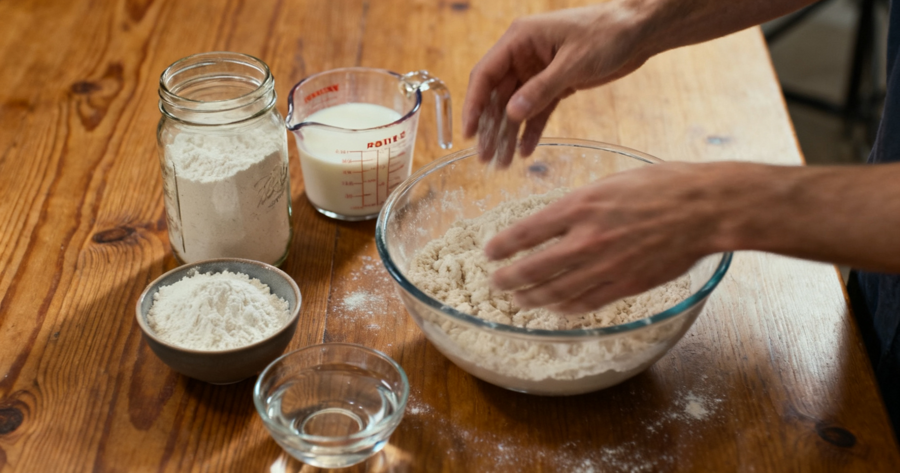
How To Make Perfect Sourdough Starter From Scratch: Step-by-Step Beginner Guide
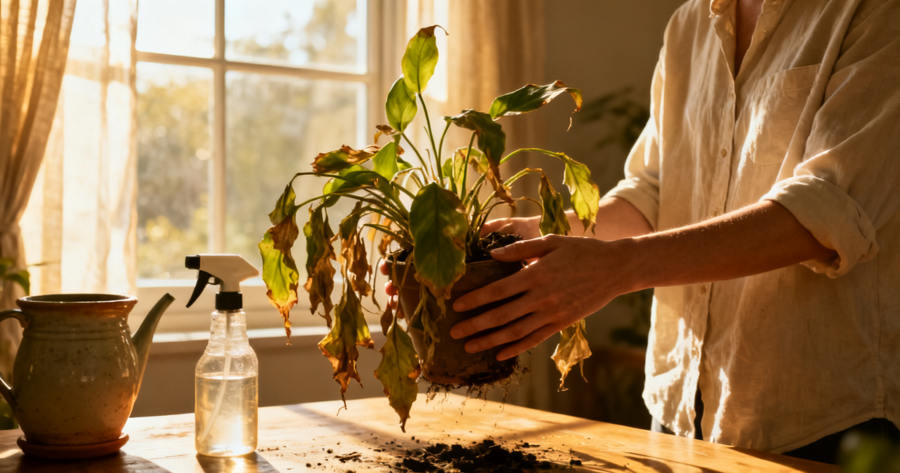
How To Revive A Dying Houseplant: 5 Essential Steps For New Plant Owners
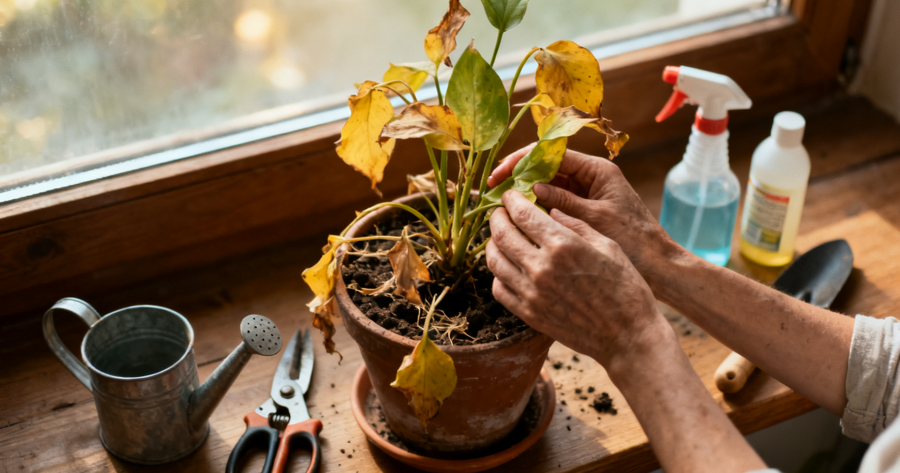
How To Revive A Dying Houseplant: 5 Essential Steps For Beginners
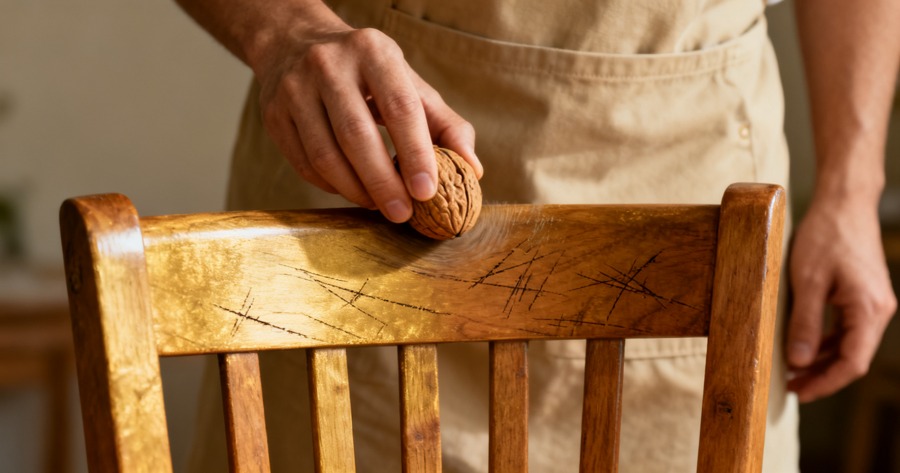
How To Restore Scratched Wood Furniture Using A Walnut: Easy Step-by-Step Guide
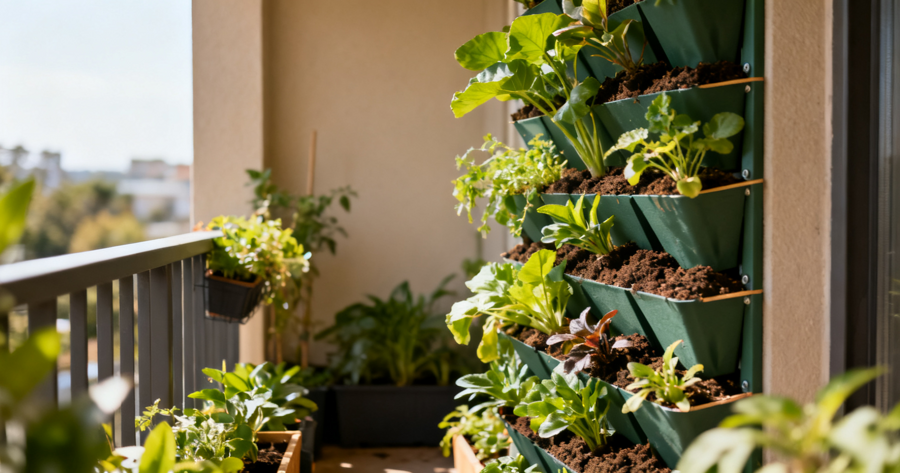
How To Create A DIY Vertical Garden For Small Balconies: A Beginner’s Step-by-Step Guide
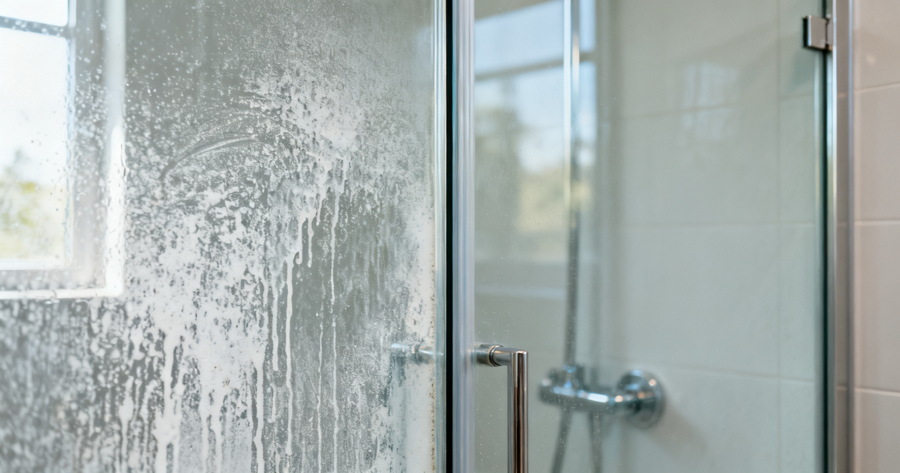
How To Remove Hard Water Stains From Glass Shower Doors: A Simple, No-Harsh-Chemicals Guide
Most Read

How To Clean And Sanitize Your Electronics Without Damaging Them

How To Learn To Read Tarot As A Beginner: Complete Step-by-Step Guide

How To Get Free CP And Rare Skins In Call Of Duty Mobile For Beginners?

How To Predict Your Marriage Timeline Using Palmistry: A Beginner’s Guide

How To Check How Rare Your Birthday Is: A Simple Step-by-Step Guide
